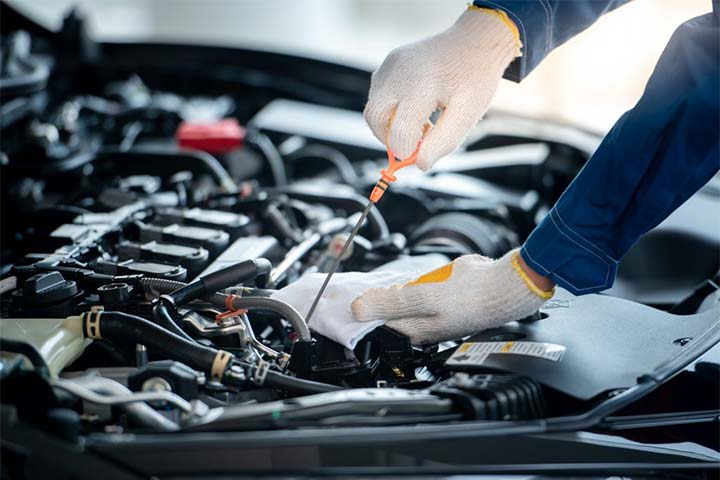

BMW vehicles are renowned for their precision engineering and exceptional driving experience. To maintain this high standard of performance, regular maintenance is essential. One of the most critical aspects of BMW car servicing is the engine tune-up, ensuring your vehicle operates at its peak while avoiding potential issues down the road.
Understanding BMW Engine Tune-Ups
A BMW engine tune-up is a comprehensive servicing process that targets key engine components to optimise performance. Unlike basic maintenance, this aspect of BMW car servicing involves diagnostic checks, replacing worn parts, and updating the engine’s software to meet the brand’s high standards. While some may believe tune-ups are outdated or unnecessary, they remain an integral part of keeping a BMW running smoothly.
Key Benefits of Regular BMW Engine Tune-Ups
Enhanced Engine Efficiency: Regular BMW car servicing, including tune-ups, improves fuel economy by ensuring optimal combustion and reducing unnecessary fuel consumption.
Prolonged Engine Lifespan: Addressing wear and tear through scheduled tune-ups prevents long-term engine damage, a vital aspect of maintaining your BMW’s value.
Improved Driving Experience: A properly serviced engine restores the hallmark smoothness and power that BMW drivers expect.
Cost Savings in the Long Run: By identifying and resolving potential problems early, tune-ups as part of BMW car servicing help you avoid costly repairs.
Signs Your BMW Needs a Tune-Up
Your BMW will often give you subtle signals when a tune-up is overdue. These include:
- Decreased fuel efficiency, indicating the engine isn’t working as efficiently as it should.
- Unusual noises or vibrations from the engine that could point to worn components.
- Sluggish acceleration or a less responsive drive.
- Dashboard warning lights, which should always prompt immediate BMW car servicing.
- Higher emissions or failing emissions tests, signalling inefficiencies within the engine.
What’s Involved in a BMW Engine Tune-Up?
BMW car servicing during a tune-up typically involves:
- Replacing spark plugs, air filters, and fuel filters to ensure clean and efficient operation.
- Cleaning the throttle body and fuel injectors to optimise fuel delivery.
- Updating engine control software to align with the latest manufacturer standards.
- Checking ignition timing and other critical engine settings.
- Running comprehensive diagnostic scans to uncover underlying issues.
Choosing the Right Service Centre for BMW Tune-Ups
Not all service centres are equipped to handle the intricacies of BMW car servicing. It’s crucial to choose one that employs certified BMW mechanics and uses genuine parts. Opting for an authorised BMW service centre ensures quality workmanship and adherence to manufacturer guidelines, giving you confidence in your car’s performance. When selecting a service provider, ask about their experience with BMW-specific tune-ups to guarantee top-notch results.
How Often Should You Schedule a Tune-Up for Your BMW?
The frequency of BMW car servicing, including tune-ups, depends on the model and your driving habits. Generally, BMW recommends tune-ups every 30,000 miles, but factors such as frequent city driving or extreme weather conditions may necessitate earlier servicing. Pay attention to signs of overdue maintenance, such as reduced performance or unusual engine behaviour, and consult your vehicle’s manual for model-specific guidelines.
The Role of Advanced Technology in BMW Tune-Ups
Modern BMW engines rely heavily on advanced technology, making regular BMW car servicing more than just mechanical work. Diagnostic tools provide precise data on your engine’s performance, while software updates ensure the engine operates with maximum efficiency. By integrating these technological advancements, tune-ups help maintain your vehicle’s reliability and performance standards.
Common Mistakes to Avoid During BMW Engine Tune-Ups
- Using Non-Genuine Parts: Inferior components can compromise your engine’s performance and longevity. Genuine parts are a must for BMW car servicing.
- Skipping Critical Components: Neglecting aspects such as fuel injector cleaning or software updates can leave your engine underperforming.
- Relying on Uncertified Mechanics: BMW engines require specialised knowledge, so always choose certified professionals for servicing.
- Ignoring Early Warning Signs: Delaying BMW car servicing can escalate minor issues into major problems.
Why BMW Engine Tune-Ups Are Non-Negotiable
Regular engine tune-ups are a cornerstone of BMW car servicing, offering enhanced performance, improved efficiency, and long-term cost savings. By addressing potential issues early and maintaining your vehicle’s precision engineering, you’ll continue to enjoy the unparalleled driving experience BMW is known for. Don’t wait for problems to arise—schedule your BMW engine tune-up today and keep your car performing at its best.
FAQs About BMW Engine Tune-Ups
How much does a BMW engine tune-up cost?
Costs vary depending on the model and service centre, but regular tune-ups are a worthwhile investment in your car’s longevity.
Can I perform a BMW engine tune-up myself?
While minor maintenance is possible, BMW car servicing is best left to professionals who understand the complexities of the brand’s engineering.
What’s the difference between a tune-up and regular maintenance?
Tune-ups focus specifically on optimising engine performance, while regular maintenance includes broader checks like oil changes and tyre rotations.
Do electric or hybrid BMW models require tune-ups?
Yes, while they have fewer mechanical components, BMW car servicing for hybrids and electrics involves software updates and diagnostics to ensure peak performance.