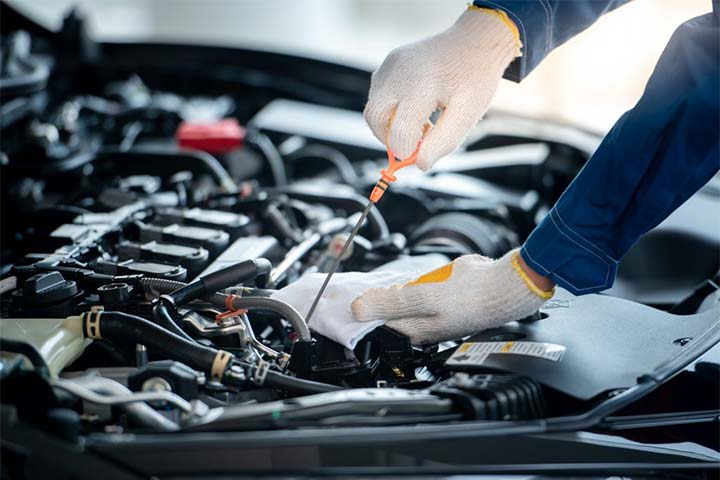

Car maintenance is essential to keeping a vehicle running smoothly and safely, and one often overlooked component is the engine and transmission mounts. These mounts play a crucial role in ensuring vehicle stability, reducing vibrations, and securing key components in place. Neglecting this aspect of car maintenance can lead to performance issues, excessive noise, and even safety hazards. Understanding how engine and transmission mounts contribute to overall vehicle stability will help car owners make informed decisions about their vehicle’s upkeep.
What Are Engine and Transmission Mounts?
Car maintenance involves regularly inspecting various components of a vehicle, including engine and transmission mounts. These mounts are crucial in securing the engine and transmission to the vehicle’s frame while absorbing vibrations and preventing unnecessary movement. Typically made of rubber, polyurethane, or hydraulic materials, these mounts are designed to provide cushioning and support. Without proper attention to car maintenance, worn-out mounts can cause misalignment, excessive engine movement, and reduced driving comfort. Understanding the role of these mounts is a fundamental part of car maintenance that ensures a stable and efficient ride.
How Engine and Transmission Mounts Affect Vehicle Stability
Regular car maintenance helps maintain vehicle stability, and engine and transmission mounts play a significant role in this aspect. These mounts absorb engine vibrations, preventing excessive movement that could affect steering and handling. Without proper mounts, an engine may shift during acceleration or braking, leading to instability and uneven weight distribution. Car maintenance ensures that these mounts are inspected and replaced when necessary to maintain proper alignment and enhance driving stability. Keeping these mounts in good condition also minimizes noise, contributing to a smoother driving experience.
Signs of Worn or Faulty Engine and Transmission Mounts
One critical part of car maintenance is identifying early signs of worn or faulty engine and transmission mounts. Drivers should pay attention to unusual vibrations in the cabin or steering wheel, as these indicate potential mount deterioration. Additionally, hearing clunking or banging noises when shifting gears or accelerating suggests loose or damaged mounts. Misalignment of the engine or transmission can cause performance issues, making regular inspections an essential part of car maintenance. Excessive engine movement when revving or braking is another red flag, emphasizing the need for timely replacement to maintain vehicle stability and safety.
The Consequences of Ignoring Faulty Mounts
Neglecting car maintenance, especially when it comes to engine and transmission mounts, can lead to severe consequences. One of the most significant risks is increased wear and tear on other engine components, as excessive movement can strain nearby parts. Poor handling and reduced driving stability may also arise, making it harder to control the vehicle. Additionally, a failing mount can cause transmission misalignment, leading to difficulty shifting gears and potential mechanical failure. As part of routine car maintenance, inspecting and replacing faulty mounts is necessary to avoid safety hazards and costly repairs in the future.
Choosing the Right Engine and Transmission Mounts
Selecting the right mounts is an important aspect of car maintenance that ensures vehicle stability and longevity. When replacing engine and transmission mounts, car owners must decide between OEM (Original Equipment Manufacturer) and aftermarket options. OEM mounts are designed specifically for a vehicle model, ensuring a perfect fit and reliability. Aftermarket mounts, on the other hand, may offer cost savings or performance enhancements but require careful selection. Key factors to consider in car maintenance include material type, vehicle compatibility, and driving conditions. High-performance vehicles may benefit from upgraded mounts that provide extra durability and stability.
Maintenance Tips for Engine and Transmission Mounts
Proactive car maintenance is the best way to extend the life of engine and transmission mounts. Regularly inspecting these mounts for cracks, wear, or loose bolts helps prevent unexpected failures. Drivers should also listen for unusual noises or increased vibrations, as these can signal potential issues. Ensuring proper installation of mounts is another essential part of car maintenance, as incorrect placement can cause misalignment and additional strain on the engine and transmission. Replacing mounts before they completely fail helps maintain optimal vehicle stability and performance, preventing costly damage to other components.
Takeaway
Car maintenance encompasses various aspects of a vehicle’s health, and engine and transmission mounts are no exception. These mounts are vital in securing key components, absorbing vibrations, and maintaining proper alignment, all of which contribute to vehicle stability. Ignoring this aspect of car maintenance can lead to performance issues, increased wear on other parts, and potential safety risks. By regularly inspecting and replacing mounts as needed, car owners can ensure a smoother, safer, and more stable driving experience. Prioritizing car maintenance and addressing mount issues promptly will help extend the lifespan of a vehicle and enhance overall performance.