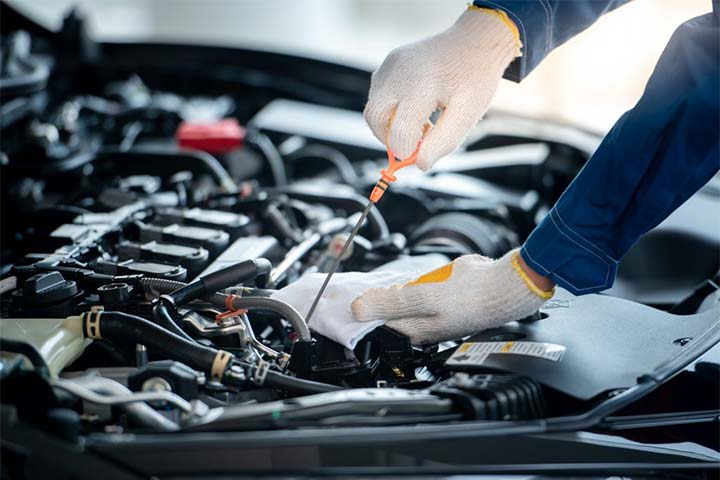

Car stability is a crucial factor in ensuring a safe and smooth driving experience. Various components contribute to stability, including suspension, tires, and alignment, but one often overlooked aspect is the role of engine and transmission mounts. These mounts are responsible for keeping the engine and transmission securely in place, preventing excessive movement that can lead to performance issues. Regular maintenance, which includes checking these mounts, should be part of a car servicing package to avoid potential damage and ensure optimal vehicle performance.
Understanding Engine and Transmission Mounts
Engine and transmission mounts are essential components that help absorb vibrations and provide structural support to the powertrain system. Engine mounts secure the engine to the chassis, while transmission mounts keep the transmission in place, ensuring both components work harmoniously. A high-quality car servicing package should include an inspection of these mounts to detect any early signs of wear or failure, preventing costly repairs in the future. Different types of mounts, such as rubber, hydraulic, and polyurethane, offer varying levels of performance and durability, making it essential to choose the right one based on driving conditions.
How Engine and Transmission Mounts Contribute to Vehicle Stability
- Vibration Dampening
One of the primary functions of engine and transmission mounts is vibration dampening. Without proper mounts, vibrations from the engine and transmission could transfer throughout the vehicle, leading to a rough and uncomfortable ride. A comprehensive car servicing package will assess the condition of these mounts to ensure they effectively minimize vibrations, providing a smoother and more stable driving experience. - Weight Distribution
Proper weight distribution is vital for maintaining balance and preventing excessive strain on various components. Engine and transmission mounts help evenly distribute weight, reducing stress on the chassis and suspension system. During a car servicing package, mechanics check for misaligned or failing mounts that could cause an imbalance, leading to handling issues and reduced stability. - Alignment and Power Transfer
Mounts ensure the engine and transmission remain in proper alignment, allowing efficient power transfer to the wheels. If mounts wear out or break, misalignment can occur, causing excessive drivetrain movement, loss of power efficiency, and unstable handling. Regular inspections as part of a car servicing package can prevent such issues and maintain vehicle performance.
Signs of Worn or Faulty Mounts and Their Impact on Stability
Engine and transmission mounts deteriorate over time due to heat, pressure, and road conditions. Recognizing early warning signs can prevent costly repairs and maintain vehicle stability. Some indicators of worn mounts include:
- Unusual vibrations: Excessive engine movement leads to increased vibrations inside the cabin. A car servicing package should include a thorough check of the mounts to ensure they are intact and absorbing vibrations properly.
- Clunking or knocking noises: A failing mount can cause the engine or transmission to shift suddenly, resulting in noticeable clunking sounds, especially during acceleration or gear shifts. Mechanics conducting a car servicing package should inspect these noises to determine if a mount replacement is necessary.
- Misalignment and instability: A worn mount may cause the engine or transmission to sag or shift, affecting steering alignment and overall stability. Routine checks as part of a car servicing package can detect such issues before they lead to serious problems.
Choosing the Right Engine and Transmission Mounts
When replacing engine or transmission mounts, choosing the right type is essential for maintaining vehicle stability. Factors to consider include:
- OEM vs. Aftermarket Mounts: Original Equipment Manufacturer (OEM) mounts are designed specifically for a vehicle’s make and model, ensuring a perfect fit. Aftermarket options may offer better durability or performance enhancements. A car servicing package from a trusted service center can help vehicle owners decide which type is best for their needs.
- Rubber, Hydraulic, or Polyurethane Mounts: Rubber mounts are standard and provide good vibration absorption, while hydraulic mounts offer smoother performance. Polyurethane mounts are often used in high-performance applications. Consulting a professional as part of a car servicing package can help determine the most suitable option.
- Performance Needs: Daily drivers may prioritize comfort and vibration reduction, whereas performance enthusiasts may prefer firmer mounts for better power transfer. A well-rounded car servicing package can help identify the right balance between comfort and performance.
Maintenance Tips for Engine and Transmission Mounts
To extend the lifespan of engine and transmission mounts and maintain vehicle stability, regular maintenance is essential. Here are some key maintenance tips:
- Routine Inspections
A car servicing package should always include a check-up of engine and transmission mounts for signs of wear, cracks, or fluid leaks (for hydraulic mounts). Catching these issues early can prevent costly damage. - Avoid Excessive Engine Strain
Hard acceleration, aggressive driving, and towing heavy loads can place additional strain on mounts. A car servicing package should involve educating vehicle owners on best practices to reduce wear and tear on these components. - Replace Worn Mounts Promptly
Ignoring faulty mounts can lead to severe drivetrain and suspension problems. A good car servicing package will ensure that failing mounts are replaced promptly, preventing further complications.
Takeaway
Engine and transmission mounts play a vital role in vehicle stability, ensuring a smooth and controlled ride. Their ability to dampen vibrations, maintain alignment, and distribute weight efficiently contributes to overall driving comfort and safety. Including mount inspections in a car servicing package is essential for identifying wear and preventing potential issues. By investing in regular maintenance and choosing the right mounts, drivers can enhance their vehicle’s performance, prolong its lifespan, and enjoy a stable, hassle-free ride.