Urban Cleanliness and the Role of Mechanical Street Sweeping
Urban roads face constant exposure to dust, debris, leaves, litter, and construction residue. Without regular cleaning, these materials can accumulate and create safety risks for motorists, cyclists, and pedestrians. A Road / Street Sweeper Truck Mounted Vehicle plays a vital role in maintaining orderly and sanitary roadways in both residential and industrial environments. Cities with consistent street sweeping programs often experience improved drainage, reduced airborne dust, and fewer roadway hazards. Mechanical sweeping also supports environmental protection by preventing pollutants from entering stormwater systems. Compared to manual cleaning methods, truck-mounted sweepers provide broader coverage in less time. This efficiency makes them a dependable solution for modern urban maintenance demands.
What Is a Road / Street Sweeper Truck Mounted Vehicle
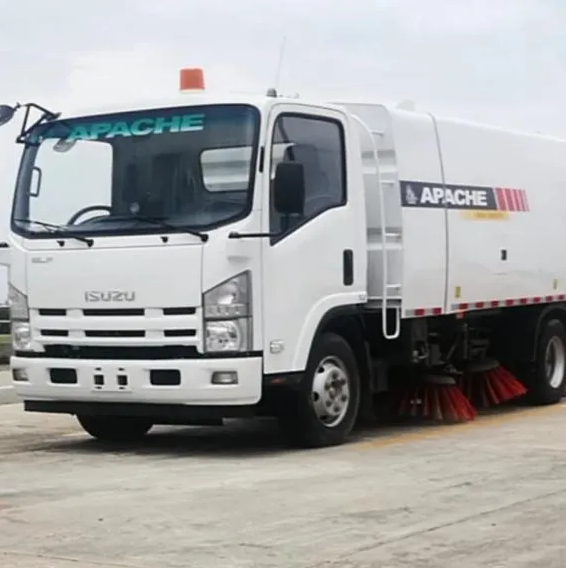
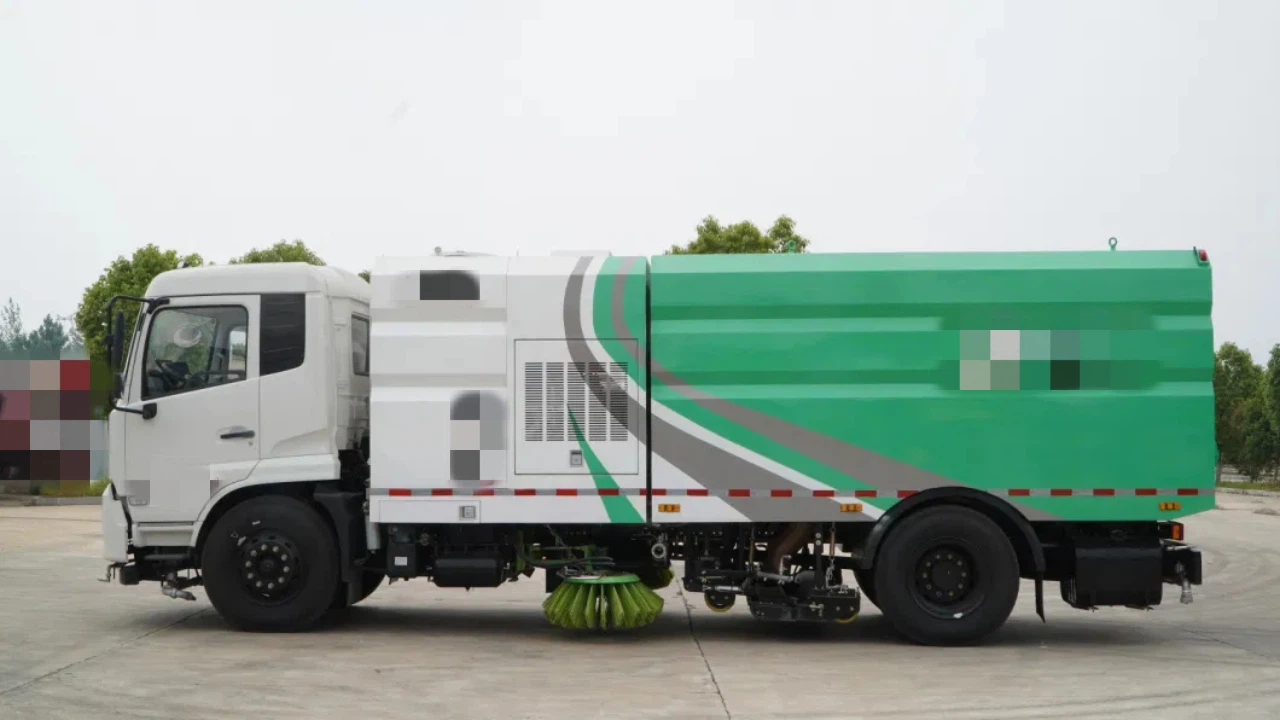
A Road / Street Sweeper Truck Mounted Vehicle is a specialized cleaning system installed on a truck chassis and designed to remove debris from paved surfaces. It combines sweeping brushes, suction mechanisms, and debris storage into one mobile unit. Unlike push sweepers or compact machines, this vehicle is built for extended operation across long road networks. Municipal governments, contractors, and industrial facilities rely on this equipment for routine and large-scale cleaning. The truck-mounted design allows operators to move easily between job sites without additional transport equipment. These vehicles are engineered for durability and consistent performance in demanding conditions. Their adaptability makes them suitable for highways, city streets, and industrial zones.
Primary Components of a Road / Street Sweeper Truck Mounted Vehicle
The effectiveness of a Road / Street Sweeper Truck Mounted Vehicle depends on the coordination of several critical components. Sweeping brushes are positioned to loosen dirt and guide debris toward the suction system. A powerful vacuum system then lifts and transfers waste into the onboard hopper. Water spray systems are used to suppress dust during operation, improving air quality and visibility. The hopper serves as a containment area for collected materials until disposal. Hydraulic systems power the moving parts and ensure smooth operation. All components are integrated into the truck chassis for stability and reliability.
Types of Road / Street Sweeper Truck Mounted Vehicles
Different sweeping environments require different technologies, which is why several types of street sweeper truck mounted vehicles are available. Mechanical broom sweepers rely on rotating brushes and are effective for heavy debris. Regenerative air sweepers use circulating airflow to capture fine dust particles. Vacuum-assisted sweepers combine suction with brushing for improved cleaning performance. Combination sweepers integrate multiple systems to handle diverse road conditions. Each type offers specific advantages depending on the application. Selecting the correct type ensures optimal cleaning efficiency and cost control. Understanding these options helps operators match equipment to operational needs.
How a Road / Street Sweeper Truck Mounted Vehicle Operates
The operation of a Road / Street Sweeper Truck Mounted Vehicle follows a precise and efficient process. Brushes rotate to dislodge debris from the road surface. The loosened materials are guided toward the suction inlet. Vacuum pressure then lifts the debris into the hopper for storage. Water sprays activate simultaneously to reduce airborne dust. Operators control sweeping speed and brush pressure from the cab. This coordinated system allows continuous cleaning without frequent stops. The result is consistent debris removal across large areas.
Key Benefits of Using a Road / Street Sweeper Truck Mounted Vehicle
Using a Road / Street Sweeper Truck Mounted Vehicle delivers measurable advantages for cities and businesses. It improves road safety by removing gravel and loose materials that could cause accidents. Regular sweeping enhances visual cleanliness and public satisfaction. These vehicles reduce the need for manual labor, lowering long-term operational costs. Environmental benefits include reduced pollution and cleaner waterways. The high capacity hopper allows extended work periods without interruption. Over time, routine sweeping can extend the lifespan of road surfaces.
Environmental Impact and Sustainability Advantages
Street sweeping is closely tied to environmental protection and sustainability goals. A Road / Street Sweeper Truck Mounted Vehicle captures pollutants before they reach drainage systems. This prevents contamination of rivers, lakes, and coastal waters. Dust suppression systems help maintain healthier air quality in urban areas. Many modern sweepers are designed with fuel efficiency and reduced emissions in mind. Some models now support alternative fuel or electric configurations. These advancements align with green infrastructure initiatives. Sustainable sweeping contributes to long-term urban resilience.
Industries and Sectors That Rely on Street Sweeper Truck Mounted Vehicles
A wide range of industries depend on Road / Street Sweeper Truck Mounted Vehicles for daily operations. Municipalities use them to maintain streets and public spaces. Construction companies rely on sweeping to control dust and debris near active sites. Airports use sweepers to keep runways and taxiways clear. Ports and logistics hubs depend on clean surfaces for safe cargo movement. Industrial facilities use sweepers to meet cleanliness and safety standards. Commercial property managers also benefit from regular sweeping. This versatility highlights the vehicle’s broad value.
Choosing the Right Road / Street Sweeper Truck Mounted Vehicle
Selecting the right Road / Street Sweeper Truck Mounted Vehicle requires careful evaluation. Operators must consider the type of debris commonly encountered. Road width and traffic conditions influence sweeper size and maneuverability. Hopper capacity affects how often unloading is required. Fuel efficiency and emissions compliance are increasingly important factors. Operator comfort can improve productivity and reduce fatigue. Maintenance requirements should also be reviewed before purchase. Proper selection leads to long-term operational success.
Maintenance and Operational Best Practices
Routine maintenance ensures a Road / Street Sweeper Truck Mounted Vehicle remains reliable and efficient. Regular inspection of brushes prevents uneven wear and damage. Hydraulic systems should be checked for leaks and pressure consistency. The hopper must be cleaned after each use to avoid buildup. Water spray nozzles should be inspected to maintain dust control performance. Scheduled servicing extends equipment lifespan. Preventive maintenance reduces unexpected downtime. Consistent care protects the investment value of the vehicle.
Safety Features and Operator Considerations
Safety is a critical element of street sweeping operations. A Road / Street Sweeper Truck Mounted Vehicle is equipped with warning lights and reflective markings for visibility. Rearview cameras and mirrors assist operators in navigating traffic. Cab ergonomics reduce strain during long shifts. Noise reduction features protect operator hearing. Compliance with local safety regulations is essential. Training ensures operators understand equipment limits. Safe operation protects both workers and the public.
Technological Advancements in Street Sweeper Truck Mounted Vehicles
Technology continues to enhance the performance of street sweepers. GPS systems help optimize sweeping routes and coverage. Automated controls adjust brush pressure based on road conditions. Data monitoring systems track fuel use and productivity. Some models include electric or hybrid drive options. Advanced filtration improves fine particle capture. These innovations increase efficiency and reduce environmental impact. Modern technology positions sweepers as smart infrastructure tools.
Economic Value for Municipalities and Private Operators
Investing in a Road / Street Sweeper Truck Mounted Vehicle offers long-term economic advantages. Reduced labor costs improve budget efficiency. Cleaner roads decrease the frequency of surface repairs. Efficient sweeping minimizes traffic disruptions. High-capacity systems reduce operational downtime. Equipment durability supports extended service life. Public perception improves with cleaner streets. These factors combine to deliver strong returns on investment.
Common Challenges and Practical Solutions
Street sweeping operations face several practical challenges. Fine dust can be difficult to control in dry conditions. Narrow streets require careful maneuvering. Seasonal debris like leaves increases workload. Equipment wear is inevitable with heavy use. These challenges can be addressed through proper equipment selection. Operator training improves adaptability. Maintenance planning prevents service interruptions.
Key Operational Considerations at a Glance
- Route planning improves coverage efficiency
- Proper brush selection matches debris types
- Water usage balances dust control and conservation
- Regular inspections prevent mechanical failure
- Operator training enhances safety and performance
FAQ: Road / Street Sweeper Truck Mounted Vehicle
What is the main purpose of a Road / Street Sweeper Truck Mounted Vehicle
Its primary purpose is to remove debris, dust, and waste from paved surfaces efficiently.
How often should street sweeping be performed
Frequency depends on traffic levels, debris accumulation, and environmental regulations.
Can these vehicles handle heavy debris
Yes, especially mechanical and combination sweepers designed for larger materials.
Are street sweepers suitable for residential areas
Many models are designed with low noise and dust control features for residential use.
What maintenance is required for optimal performance
Routine inspections, brush replacement, and system cleaning are essential.
Takeaway
A Road / Street Sweeper Truck Mounted Vehicle is more than a cleaning tool. It is a critical asset for maintaining safe roads, protecting the environment, and supporting efficient urban operations. Its advanced design, operational flexibility, and long-term value make it an essential investment for municipalities and private operators alike.