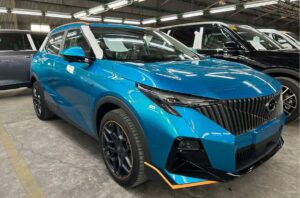
Buying a vehicle is a major financial decision, especially for families, professionals, and first-time motorists who want reliable transportation without spending too much. A Second-Hand Car in the Philippines offers a practical option for buyers seeking convenience, comfort, and value while keeping their expenses manageable. With many vehicle types, brands, and price ranges available, finding the right car starts with understanding your needs and knowing what to check before making a purchase.
Mikotse PH welcomes buyers who want to explore vehicle options suited to their preferences. With a selection that includes sports cars, luxury sedans, and SUVs, the dealership aims to provide a customer-focused buying experience through personalized consultations and competitive financing options. Whether you need a daily commuter, a family vehicle, or a car that reflects your personal style, careful planning can help you make a confident choice.
This guide explains how to select a Second-Hand Car in the Philippines, assess vehicle condition, review essential documents, manage ownership expenses, and identify a vehicle that fits your lifestyle.
Why Buy a Second-Hand Car in the Philippines?
Purchasing a pre-owned vehicle can help buyers access personal transportation at a lower purchase price than many comparable brand-new models. This option appeals to people who want greater flexibility with their budgets while meeting daily transportation needs.
Enjoy More Affordable Vehicle Options
One major advantage of choosing a Second-Hand Car in the Philippines is the potential for lower upfront expenses. Depending on the vehicle’s age, model, mileage, and condition, buyers may find options that cost substantially less than comparable new vehicles.
The money saved can help cover other ownership expenses, such as insurance, registration, fuel, parking, and routine maintenance. Buyers should still compare the complete cost of ownership rather than focusing exclusively on the advertised price.
Choose from Different Makes and Vehicle Types
The pre-owned vehicle market offers various choices, from compact hatchbacks and practical sedans to spacious SUVs and premium vehicles. This variety allows buyers to compare features, passenger capacity, performance, and operating expenses according to their priorities.
A well-selected Second-Hand Car in the Philippines can provide the features a buyer needs without requiring the budget associated with a brand-new model.
Find a Vehicle That Matches Your Lifestyle
Daily commuters may prefer compact vehicles that are easy to park and economical to operate. Families may prioritize passenger comfort, storage space, and safety features, while frequent travelers may prefer vehicles suited to longer trips.
Before browsing available cars, list your essential requirements. Consider your usual routes, passenger needs, parking arrangements, and expected monthly expenses. These factors will help narrow your options.
What Type of Second-Hand Car Should You Buy?
Selecting the right vehicle involves more than personal preference. Each vehicle category has distinct advantages, operating costs, and practical limitations.
Sedans for Daily Commuting and Professional Use
Sedans are popular choices for commuters, professionals, and small families. Their passenger cabins and separate luggage compartments provide practical everyday transportation, while many models offer reasonable fuel economy.
When comparing a used sedan, examine its service history, transmission, air-conditioning performance, tire condition, and fuel consumption. These details can help determine whether the vehicle suits your daily routine.
SUVs for Families and Long-Distance Travel
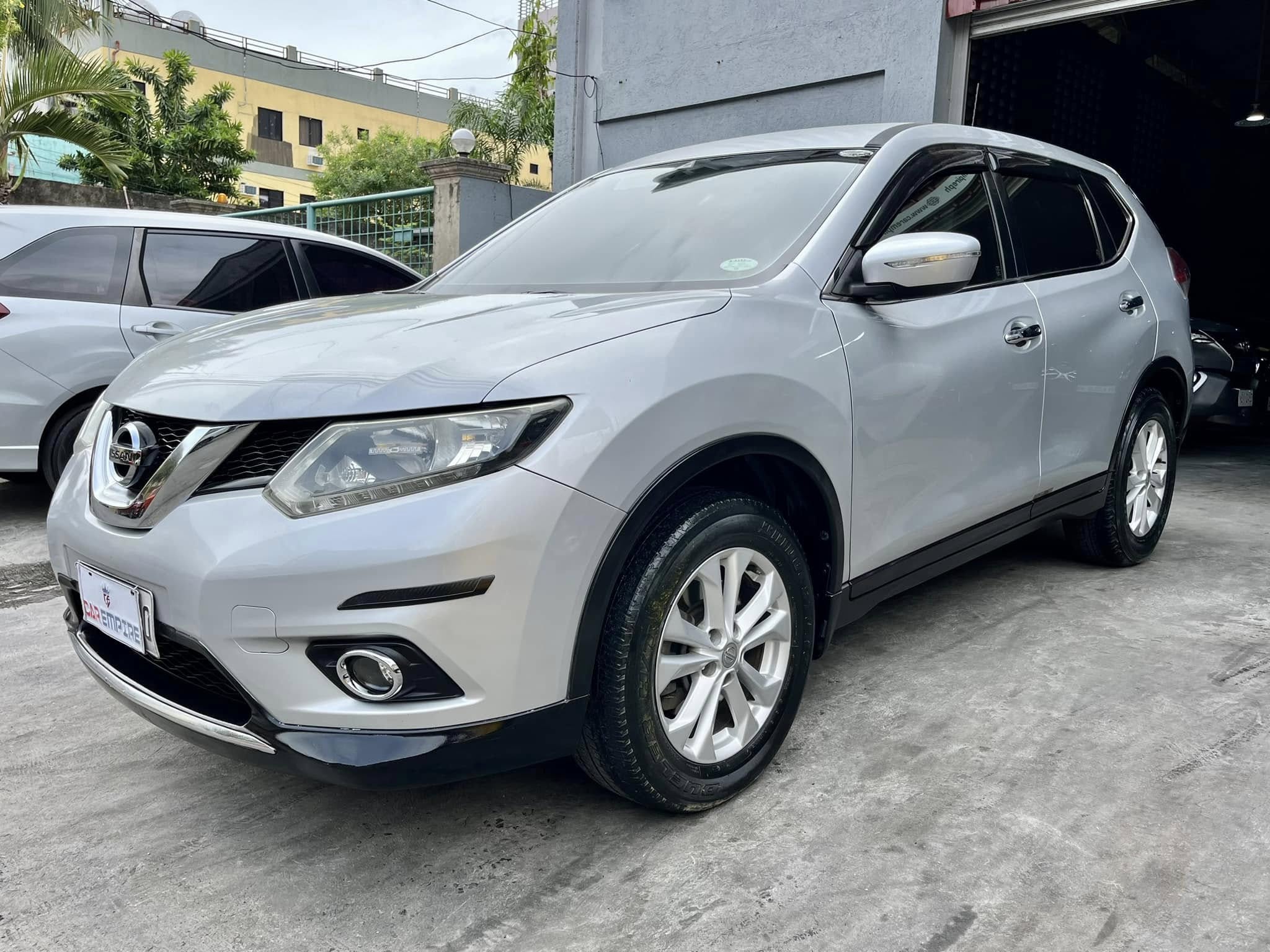
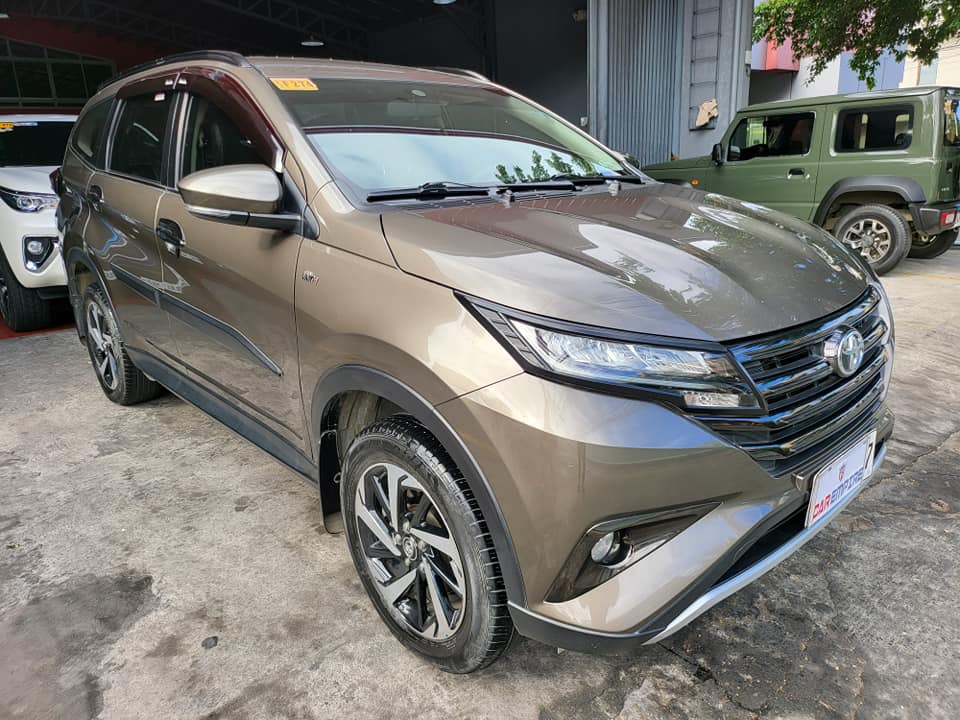
Sport utility vehicles appeal to families and motorists who need additional cabin space, cargo capacity, or higher ground clearance. Depending on the model, an SUV may accommodate larger groups and provide greater flexibility for weekend trips.
However, some SUVs consume more fuel and require costlier tires or maintenance than smaller vehicles. Evaluate these expenses before choosing a Second-Hand Car in the Philippines within this category.
Hatchbacks for City Driving
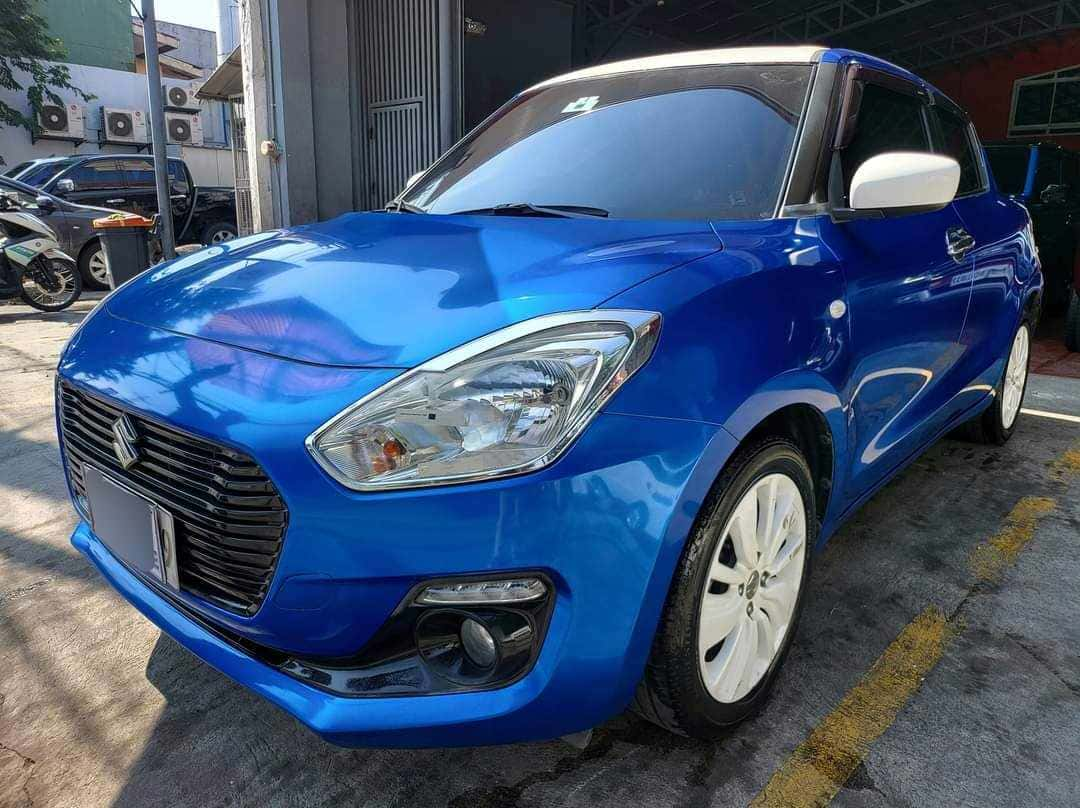
Hatchbacks are worth considering for urban commuters and first-time owners. Their compact dimensions can make parking and maneuvering easier, particularly around crowded streets and limited parking spaces.
Many hatchbacks also offer useful cargo flexibility through folding rear seats. Compare available models by examining passenger comfort, engine condition, fuel economy, and spare-parts availability.
Sports Cars and Luxury Sedans for Driving Enjoyment
Sports cars and luxury sedans appeal to motorists who appreciate distinctive styling, performance, comfort, and premium features. A pre-owned model may offer access to equipment or specifications that would cost considerably more when purchased new.
Buyers should account for insurance, specialized servicing, replacement parts, and fuel consumption. A lower purchase price does not always mean lower ownership expenses, so obtain a professional assessment before committing.
How to Set a Realistic Budget for a Second-Hand Car
A sensible budget protects buyers from financial pressure after the purchase. When searching for a Second-Hand Car in the Philippines, account for both the initial payment and recurring expenses.
Calculate Your Total Purchase Cost
The advertised price represents only one part of the overall cost. Buyers may also need to pay for registration-related requirements, ownership transfer, insurance, inspection, and immediate maintenance.
Ask the seller for a clear breakdown of applicable fees. A pre-purchase inspection may also reveal repairs that should be completed before regular driving.
Estimate Monthly Ownership Expenses
Create a monthly estimate covering fuel, parking, toll fees, routine servicing, and insurance. Set aside additional funds for unexpected repairs, replacement tires, and battery changes.
A vehicle that appears affordable at first may become expensive when operating costs exceed expectations. Choose a car that leaves sufficient room for household bills, savings, and other financial commitments.
Compare Cash Purchases and Financing Options
Paying cash may reduce borrowing costs, while financing can allow qualified buyers to spread payments across an agreed period. Each arrangement has advantages that depend on the buyer’s circumstances.
Before accepting a financing offer, review the down payment, monthly installment, interest rate, loan duration, approval requirements, and total repayment amount. Ask about additional charges and late-payment conditions.
Mikotse PH states that competitive financing options are part of its customer offering. Contact the dealership to ask about current arrangements, eligibility requirements, and available vehicles that match your budget.
What to Check Before Buying a Second-Hand Car in the Philippines
A careful inspection can help buyers identify mechanical problems and avoid unnecessary repair expenses. Never rely solely on attractive photographs or a seller’s verbal assurances.
Inspect the Engine and Mechanical Components
Look for fluid leaks, unusual engine noises, excessive smoke, overheating, and dashboard warning lights. Check whether the engine starts properly and whether the transmission responds smoothly.
A qualified mechanic can examine the engine, suspension, brakes, steering, electrical systems, and other important components. Professional inspection is especially valuable for older vehicles or models with limited service records.
Examine the Exterior and Interior
Walk around the vehicle and check for rust, dents, uneven paint, cracked glass, and inconsistent gaps between body panels. These signs may indicate previous damage or repairs that deserve closer attention.
Check the seats, dashboard, seat belts, windows, headlights, indicators, and air-conditioning system. Examine the tires for uneven wear, which may suggest alignment or suspension problems.
Review the Mileage and Maintenance History
Mileage can offer useful information about a vehicle’s previous use, but it should never be the only basis for a purchase decision. A car with higher mileage and documented maintenance may be a better option than one with questionable records.
Ask for service receipts, repair documentation, and available maintenance records. Compare these details against the vehicle’s age and visible condition.
Take the Car for a Test Drive
A test drive helps you evaluate comfort and performance under actual driving conditions. Pay attention to braking response, steering control, acceleration, transmission shifts, and suspension behavior.
Listen for unusual sounds and observe whether warning lights appear. Arrange the test drive with the seller’s permission, follow road safety rules, and consider bringing a trusted mechanic along.
Check the Documents Before Finalizing Your Purchase
A vehicle may look excellent but still present ownership or registration concerns. Document verification is essential when buying a Second-Hand Car in the Philippines.
Verify the Official Receipt and Certificate of Registration
Review the vehicle’s Official Receipt (OR) and Certificate of Registration (CR). Check that the identifying details correspond with the vehicle and that the seller can establish the legal right to sell it.
Compare the recorded chassis and engine numbers with the actual vehicle markings where applicable. Contact the Land Transportation Office (LTO) or consult its official resources when you need to confirm registration details or current requirements.
Check for Outstanding Issues and Ownership Concerns
Ask whether the vehicle has an outstanding loan, recorded encumbrance, unresolved registration issue, or known legal concern. Request appropriate documentation and verify relevant records before handing over payment.
If another person represents the registered owner, confirm that the representative has valid authority to complete the transaction. Avoid sellers who refuse reasonable verification requests.
Complete the Ownership Transfer Properly
Ask which documents, clearances, identification records, and other requirements apply to your transaction. Requirements and fees may depend on current regulations and the vehicle’s circumstances.
Complete the required ownership-transfer process and retain copies of relevant receipts and agreements. Confirm the latest procedures directly with the LTO rather than relying solely on informal advice.
Factors That Affect Second-Hand Car Prices in the Philippines
Understanding vehicle pricing can help you compare options and negotiate fairly.
Vehicle Age, Mileage, and Condition
Older vehicles often have lower asking prices, although their maintenance requirements may be greater. Mileage, accident history, service records, and mechanical condition also influence market value.
A car with documented repairs and consistent servicing may offer greater peace of mind than a cheaper vehicle with unresolved problems.
Brand, Model, and Availability of Parts
Some brands have extensive service networks and widely available replacement parts across the country. Others may require specialized servicing or parts that cost more or take longer to obtain.
Research the expected maintenance expenses for your preferred model before deciding. This step is particularly important when considering luxury vehicles or less common variants.
Market Demand and Included Features
Popular models may command higher prices because of strong demand, practical features, or perceived reliability. Trim level, safety equipment, transmission type, and optional features can also affect value.
Compare vehicles with similar model years, specifications, mileage, and condition. Use several comparable listings to judge whether the asking price appears reasonable.
Where to Find a Reliable Second-Hand Car in the Philippines
Buyers can explore private sellers and dealerships, but each option requires careful evaluation.
Compare Private Sellers and Car Dealerships
Private sellers may offer direct negotiations, while dealerships can provide access to multiple vehicles through a single point of contact. The level of documentation, inspection support, and after-sales assistance varies by seller.
Evaluate each option based on transparency, vehicle condition, documentation, and willingness to answer questions. Never assume that a vehicle is reliable simply because it comes from a dealership.
Look for Transparent Vehicle Information
Ask about previous ownership, service history, accident repairs, known mechanical issues, and the reason for selling. Request permission to inspect the car and arrange an independent mechanical assessment.
A trustworthy seller should be willing to discuss relevant vehicle details and allow reasonable verification before payment.
Consider the Value of Customer Assistance
Personalized guidance can help buyers compare vehicle categories, understand available options, and identify potential ownership expenses. Clear explanations about pricing and financing can also make the purchasing process easier to manage.
Take time to review all relevant details before making your final decision.
Why Consider Mikotse PH for Your Next Vehicle?
Mikotse PH presents its brand through the message, “Your Car, Your Choice, Our Service.” Its supplied company profile highlights a vehicle selection that includes sports cars, luxury sedans, and SUVs, along with a stated commitment to vehicle quality and customer satisfaction.
For buyers searching for a Second-Hand Car in the Philippines, the dealership’s personalized consultations can provide an opportunity to discuss preferences, intended use, and budget considerations. Buyers can ask about available models and compare vehicle categories before choosing an option that matches their requirements.
Mikotse PH also identifies competitive financing options as part of its customer offering. Prospective buyers should request current details about vehicle availability, financing terms, eligibility, and any applicable charges.
Before selecting a vehicle, ask for relevant maintenance records and available documentation. Arrange a thorough inspection and confirm all purchase conditions before making a payment.
The goal is to find a vehicle that delivers suitable comfort, practical features, and manageable ownership expenses. Contact Mikotse PH to ask about available options and discuss which vehicle may best fit your needs.
Common Mistakes to Avoid When Buying a Second-Hand Car
Even experienced motorists can overlook important details during a vehicle purchase. Avoid these common mistakes to protect your budget.
- Choosing based solely on appearance: Attractive paint and a clean interior do not guarantee sound mechanical condition.
- Skipping a professional inspection: Hidden engine, transmission, suspension, or electrical problems can lead to expensive repairs.
- Ignoring maintenance records: Missing documentation may make it harder to assess previous servicing and repairs.
- Failing to verify ownership: Unresolved registration or ownership concerns can complicate the transaction.
- Underestimating ownership expenses: Fuel, insurance, parking, and maintenance should form part of your budget.
- Accepting financing without reviewing the terms: Always understand the total repayment amount and payment obligations.
- Paying before completing essential checks: Confirm the seller’s authority, vehicle condition, and relevant documents before transferring funds.
A patient, methodical approach can help you avoid unnecessary risks and identify a more suitable vehicle.
Tips for Getting the Best Value from Your Purchase
Finding the right Second-Hand Car in the Philippines requires research, careful comparisons, and a realistic assessment of long-term expenses.
Start by comparing several vehicles within your target price range. Research the usual market price for each model and examine its age, mileage, specifications, and service history.
Prioritize mechanical condition over cosmetic features. Minor scratches may be manageable, while unresolved engine or transmission problems can require substantial spending.
Use inspection findings to guide negotiations. If the mechanic identifies issues that need attention, request repair estimates and consider those expenses when evaluating the asking price.
Keep part of your budget available for maintenance after purchase. Even a well-maintained vehicle may need new fluids, tires, a battery, or other routine servicing.
Finally, read the purchase agreement carefully and retain copies of the documents. A well-researched purchase can help you enjoy the benefits of personal transportation while maintaining better control over your finances.
Find Your Next Vehicle with Mikotse PH
Choosing a Second-Hand Car in the Philippines becomes easier when you understand your needs, set a realistic budget, and inspect every option carefully. A suitable vehicle should offer practical features, dependable performance, and ownership expenses that fit your financial situation.
Mikotse PH invites prospective buyers to explore its vehicle selection and ask questions about available purchasing options. Whether you are looking for a sedan, an SUV, or a vehicle with premium features, careful research can help you make a more informed choice.
Your Car, Your Choice, Our Service. Contact Mikotse PH to discuss your preferences, explore available vehicles, and take the next step toward finding a car that suits your lifestyle and budget.
Frequently Asked Questions About Buying a Second-Hand Car in the Philippines
Is buying a second-hand car in the Philippines worth it?
Yes, a pre-owned vehicle can offer good value when its price, mechanical condition, maintenance history, and ownership expenses match your needs. Buyers should compare several options and arrange a professional inspection before purchasing.
What should I check before buying a used car?
Examine the engine, transmission, brakes, suspension, tires, exterior, and interior. Review the maintenance records, test-drive the vehicle, and verify the registration documents and seller’s authority.
How much should I budget for a second-hand car?
The required budget depends on the vehicle’s brand, model, year, mileage, condition, and purchase arrangement. Include registration-related expenses, insurance, fuel, maintenance, and possible repairs when calculating your total budget.
Is it better to buy from a dealership or a private seller?
Both options may suit different buyers. Compare vehicle selection, seller transparency, documentation, inspection opportunities, and available customer support. Regardless of the seller, verify the vehicle’s condition and legal ownership before paying.
Can I finance a second-hand car in the Philippines?
Financing may be available through eligible dealerships or lenders, subject to approval and specific requirements. Review the down payment, interest rate, monthly installments, loan duration, and total repayment cost before signing an agreement.
How can I tell if a second-hand car has been well maintained?
Review service records and repair receipts, inspect the vehicle’s mechanical condition, and compare its mileage with its overall wear. A qualified mechanic can identify issues that may not be obvious during a visual inspection.
What documents should I verify before buying a used car?
Check the Official Receipt, Certificate of Registration, seller identification, and proof of authority to sell where applicable. Verify relevant registration and encumbrance records, then confirm the latest ownership-transfer requirements with the LTO.
Where can I find a second-hand car that fits my budget?
Compare available vehicles by price, condition, model, and expected maintenance expenses. You can contact Mikotse PH to ask about its available vehicle selection and current financing options.