Understanding the Role of a Car Gearbox
A car’s gearbox is one of the most vital components in its powertrain system. It ensures that the engine delivers the right amount of power to the wheels, allowing for smooth acceleration and optimal fuel efficiency. Without a properly functioning gearbox, your car would struggle to transfer power effectively, leading to poor performance and potential breakdowns. The gearbox works by managing torque and speed through different gear ratios, adjusting to driving conditions whether you’re climbing a hill, cruising on a highway, or navigating city traffic.
There are two main types of gearboxes: manual and automatic. Manual gearboxes require the driver to engage and disengage gears using a clutch pedal, while automatic gearboxes use hydraulic systems, sensors, and computers to change gears automatically. Both types require regular maintenance, though automatics tend to be more complex and costlier to repair. Many drivers underestimate the importance of gearbox maintenance, believing that it only needs attention when it starts acting up. In reality, routine checks and fluid changes can prevent costly repairs down the road. Understanding how your gearbox operates gives you the insight to recognize early signs of trouble and maintain optimal performance.
Early Signs Your Car Gearbox Needs Attention
Detecting gearbox problems early can save you from expensive repairs. When a gearbox begins to fail, it often gives subtle warning signs that drivers might ignore at first. Unusual noises, such as grinding, whining, or clunking sounds during gear changes, often signal worn-out bearings or internal damage. If your car feels like it’s slipping out of gear or struggles to engage a specific gear, that’s another sign that the gearbox needs inspection.
Other noticeable symptoms include leaking transmission fluid, which usually appears as red or brown stains under your car, or a burning smell caused by overheating fluid. Modern vehicles may also display dashboard warning lights connected to transmission sensors. Drivers may experience delayed gear shifts, rough transitions, or vibrations during acceleration. If you encounter these issues, it’s best to schedule a gearbox diagnostic test immediately. Ignoring these early signs can lead to total gearbox failure, forcing a costly replacement instead of a simple repair. Paying attention to your car’s behavior can help prevent long-term damage and extend the lifespan of your transmission system.
Common Causes of Gearbox Problems
Gearbox problems can arise from several mechanical and environmental factors. One of the most common causes is low or contaminated transmission fluid, which affects lubrication and cooling. When fluid levels drop or become dirty, the gearbox components experience increased friction and wear. Excessive heat is another major culprit, leading to warping of metal parts and degradation of seals.
Manual transmissions often suffer from clutch-related issues, such as worn-out plates or misalignment, while automatic systems may face sensor or valve body malfunctions. Over time, parts like bearings, seals, and synchronizers deteriorate, affecting performance and causing fluid leaks. Driving habits also play a big role—aggressive acceleration, towing heavy loads, or frequently shifting gears improperly can shorten gearbox life.
Common causes include:
- Low or old transmission fluid
- Overheating due to poor maintenance
- Faulty clutch components in manual gearboxes
- Damaged seals or bearings
- Malfunctioning sensors in automatic systems
By identifying these issues early and maintaining a consistent service schedule, you can prevent major gearbox damage. Understanding the root cause of gearbox problems not only saves money but also ensures that your car remains safe and efficient on the road.
Step-by-Step Overview of the Gearbox Repair Process
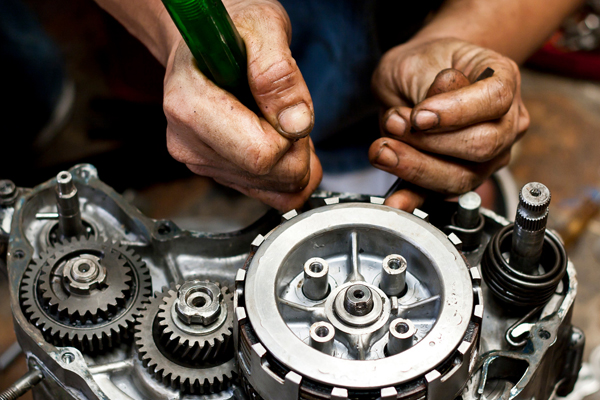
Car gearbox repair involves a systematic process designed to restore performance and reliability. It begins with a diagnostic inspection, often using computer scanning tools to detect fault codes and performance issues. A mechanic then performs a visual and physical inspection to identify leaks, worn parts, or internal damage. Once the problem is identified, the gearbox is carefully dismantled for closer examination.
The next step is cleaning and replacing damaged parts such as gears, bearings, and seals. Reassembly follows, ensuring every component fits precisely to manufacturer specifications. Mechanics then refill the gearbox with fresh transmission fluid suited for the specific vehicle model. After reassembly, a thorough road test ensures smooth gear shifting and consistent performance.
Typical gearbox repair steps include:
- Diagnostic scanning and inspection
- Disassembly and damage assessment
- Cleaning and part replacement
- Reassembly and fluid replacement
- Road testing and final calibration
Each of these stages requires expertise, precision, and the right tools. Trusting a certified mechanic ensures that your gearbox operates like new and reduces the likelihood of future issues.
Cost Factors in Car Gearbox Repair
The cost of car gearbox repair varies depending on several key factors. The make and model of your car heavily influence pricing since luxury or imported vehicles often require specialized parts. The type of gearbox—manual, automatic, CVT, or dual-clutch—also affects labor complexity and repair costs. Additionally, the extent of the damage determines whether a full rebuild or partial repair is needed.
Labor rates differ based on location and expertise, while the availability of parts can influence both cost and repair time. Some workshops offer remanufactured gearboxes as a cost-effective alternative to buying new ones. Comparing quotes from multiple trusted repair shops can help you find fair pricing without compromising quality. You should also consider warranties, as some shops provide coverage for parts and labor.
Main factors that affect gearbox repair cost:
- Vehicle make and model
- Type of gearbox (manual vs. automatic)
- Labor rates and shop reputation
- Extent of damage
- Availability of replacement parts
Being informed about these factors allows you to make smart decisions and avoid unnecessary expenses.
Preventive Maintenance Tips to Extend Gearbox Life
Preventive maintenance is the best way to keep your gearbox in excellent condition. Regularly checking and changing your transmission fluid ensures smooth lubrication and cooling of internal parts. Using only manufacturer-approved fluids prevents compatibility issues that can damage seals or valves.
Driving habits play a huge role in gearbox longevity. Avoid rapid acceleration, hard braking, or shifting gears abruptly. Allow your car to warm up properly before driving, especially in cold weather, to reduce stress on internal components. Keep your car’s cooling system in good shape since overheating can significantly shorten gearbox lifespan.
Essential maintenance tips:
- Inspect transmission fluid every 10,000 miles
- Replace fluid as recommended in the owner’s manual
- Use correct lubricants specified by your car manufacturer
- Avoid towing loads beyond your car’s capacity
- Schedule periodic gearbox inspections during service intervals
By adopting these habits, you can extend your gearbox’s life, minimize repair costs, and enjoy smoother driving for years to come.
Choosing a Reliable Car Gearbox Repair Specialist
Selecting a trustworthy gearbox repair specialist is crucial for quality and peace of mind. Look for workshops with certified technicians who have experience working on your car’s make and model. A reliable shop should provide clear diagnostics, detailed repair estimates, and transparent communication throughout the process.
Before authorizing any work, ask about warranties for both parts and labor. This shows the shop’s confidence in their work and gives you added protection. Online reviews and word-of-mouth recommendations can also help identify reputable repair centers. Avoid mechanics who give vague answers, refuse to provide written estimates, or pressure you into unnecessary repairs.
Questions to ask your repair specialist:
- Are your technicians certified for gearbox repairs?
- What warranty do you offer on parts and labor?
- How long will the repair take?
- Will you provide a detailed diagnostic report?
Choosing the right professional ensures not only a properly functioning gearbox but also better overall vehicle performance.
Modern Advancements in Gearbox Technology and Repair
The automotive industry has made tremendous progress in gearbox technology. Modern vehicles now use computer-controlled systems that enhance efficiency and responsiveness. Mechanics today rely on advanced diagnostic software to pinpoint gearbox issues with precision. This has greatly reduced guesswork and improved repair accuracy.
Remanufactured gearboxes have become a popular choice for cost-effective replacement, offering quality performance at a lower price. Dual-clutch and continuously variable transmissions (CVTs) are also becoming more common, providing smoother transitions and better fuel economy. These advanced systems, however, require specialized repair knowledge and tools.
Software updates now play a critical role in maintaining gearbox performance, especially in newer vehicles where shifting patterns are electronically managed. Staying updated with the latest diagnostic methods ensures that even complex gearbox issues can be resolved efficiently and affordably.
FAQs about Car Gearbox Repair
1. How often should I service my car gearbox?
Most experts recommend servicing your gearbox every 30,000 to 60,000 miles, depending on driving habits and vehicle type.
2. What happens if I ignore gearbox issues?
Neglecting gearbox problems can lead to complete transmission failure, resulting in costly replacements.
3. Can I drive with a faulty gearbox temporarily?
Driving with gearbox issues is risky as it can worsen damage and create safety hazards.
4. How long does gearbox repair usually take?
Repairs typically take between one and three days, depending on the complexity and availability of parts.
5. Is gearbox fluid change the same as an oil change?
No, gearbox fluid and engine oil are different and serve distinct functions in your vehicle.
6. What’s the difference between rebuilding and replacing a gearbox?
Rebuilding involves replacing worn parts and reusing functional ones, while replacement installs an entirely new or remanufactured unit.
Takeaway
Proper gearbox care is essential to keeping your vehicle safe, efficient, and reliable. Regular maintenance, early detection of issues, and working with trusted professionals can save you from costly repairs. Car gearbox repair may sound intimidating, but understanding how it works empowers you to make smarter decisions and ensure that your car runs smoothly for years to come.