Water Truck Philippines solutions play a critical role in infrastructure development, environmental management, and public service operations across the country. Government agencies and contractors rely heavily on these vehicles for efficient water distribution, dust suppression, and emergency response. Choosing the right unit is not just about cost—it directly affects project timelines, compliance, and long-term operational efficiency.
This guide provides a clear and practical approach to selecting the right Water Truck Philippines unit, helping decision-makers understand key features, costs, and considerations before making an investment.
What is a Water Truck?
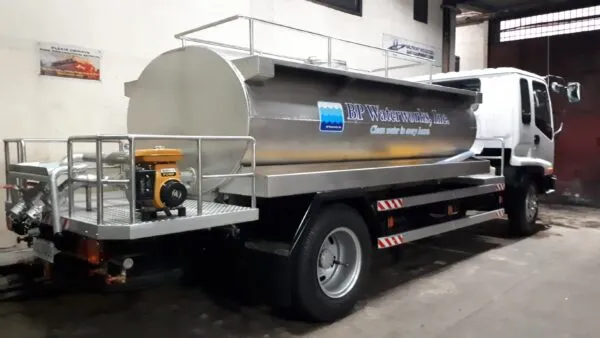
A Water Truck Philippines unit is a specialized vehicle designed to transport and distribute water for various applications. It is typically equipped with a large tank, pump system, and spray nozzles that allow controlled water release.
Common uses include road cleaning, dust control in construction sites, irrigation support, and even firefighting assistance. These trucks are widely used across industries due to their versatility and efficiency.
Key Applications for Government and Contractors
Water Truck Philippines units serve multiple purposes for both public and private sectors. Government agencies often deploy them for road maintenance, public sanitation, and disaster response, especially during water shortages or fire emergencies.
Contractors, on the other hand, use these trucks for construction site management. Dust suppression is one of the most important functions, ensuring compliance with environmental standards while maintaining a safer working environment. Large-scale infrastructure projects also depend on water trucks for soil compaction and site preparation.
Types of Water Trucks Available in the Philippines
Water Truck Philippines options vary depending on capacity, configuration, and intended use. Smaller units are ideal for light-duty applications such as municipal cleaning, while larger tankers are better suited for mining, construction, and industrial projects.
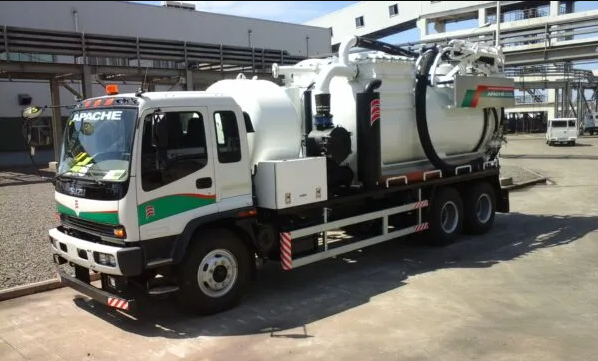
There are standard water tanker trucks designed primarily for transport and distribution, as well as multi-purpose units equipped with advanced spray systems for wider coverage. Some models include vacuum or jetting capabilities, making them suitable for specialized cleaning tasks.
Buyers can also choose between brand-new and second-hand units. Brand-new trucks offer reliability and modern features, while second-hand options provide cost savings for budget-conscious projects.
Key Features to Consider Before Buying
Selecting the right Water Truck Philippines unit requires careful evaluation of several important features. Tank capacity should match the scale of operations, ensuring efficiency without frequent refilling. The material of the tank also matters, with stainless steel offering better resistance to corrosion.
The pump system and spray nozzles determine how effectively water is distributed. A reliable engine with good fuel efficiency helps reduce operating costs, while the transmission type affects ease of use, especially in demanding terrains.
Durability is another major factor, as Philippine conditions often involve rough roads and extreme weather. Easy maintenance and readily available spare parts should also be considered to minimize downtime.
Compliance and Regulations in the Philippines
Operating a Water Truck Philippines unit requires adherence to local regulations and safety standards. Government agencies and contractors must ensure that their vehicles meet roadworthiness requirements and environmental guidelines.
Proper permits and documentation are necessary, particularly for public works and large-scale projects. Compliance with dust control and water usage regulations is essential to avoid penalties and ensure smooth operations. Working with a trusted supplier helps guarantee that all units meet these standards.
Budgeting and Cost Considerations
The cost of a Water Truck Philippines unit varies depending on size, brand, and features. Smaller units are more affordable, while larger, fully equipped trucks require a higher investment.
Factors such as customization, imported components, and advanced systems can also influence pricing. However, buyers should look beyond the initial purchase price and consider the total cost of ownership. Maintenance, fuel consumption, and operator expenses all contribute to long-term costs.
Investing in a high-quality unit often results in better reliability and lower maintenance expenses over time.
Benefits of Investing in the Right Water Truck
Choosing the right Water Truck Philippines unit provides several advantages. Efficient water distribution improves productivity and helps maintain project schedules. Proper dust control enhances safety and ensures compliance with environmental standards.
A reliable truck reduces downtime and repair costs, allowing operations to run smoothly. Over time, the right investment leads to better performance and overall cost savings.
Why Choose a Reliable Supplier in the Philippines
Selecting a dependable supplier is just as important as choosing the right truck. A reputable company provides quality units, professional guidance, and reliable after-sales support.
Balfront Industries and Equipment Corporation stands out as a trusted provider of Water Truck Philippines solutions. The company offers a wide range of units tailored to the needs of government agencies and contractors. Their expertise ensures that clients receive the right equipment along with proper support and maintenance services.
Access to spare parts, customization options, and technical assistance makes a significant difference in long-term operations.
Tips for First-Time Buyers
First-time buyers of Water Truck Philippines units should begin by assessing their project requirements. Understanding the scope of work helps determine the appropriate tank capacity and features.
Comparing multiple suppliers allows buyers to evaluate options and pricing. Inspecting units before purchase ensures quality and reliability. It is also important to review warranties and service agreements to avoid unexpected issues.
Making a well-informed decision helps prevent costly mistakes and ensures better performance.
Common Mistakes to Avoid
One common mistake is choosing a Water Truck Philippines unit based solely on price. Cheaper options may lead to higher maintenance costs and reduced efficiency.
Ignoring compliance requirements can result in legal issues and project delays. Another mistake is selecting the wrong capacity, which can either limit productivity or increase unnecessary expenses.
Overlooking maintenance needs is also risky, as regular servicing is essential for long-term reliability.
Takeaway
Water Truck Philippines investments play a vital role in supporting government operations and contractor projects across various industries. Careful consideration of features, costs, and compliance requirements ensures a successful purchase.
Frequently Asked Questions (FAQs)
What size Water Truck Philippines unit is best for construction projects?
The ideal size depends on the project scale. Medium to large-capacity trucks are commonly used for construction due to their efficiency in handling dust control and water distribution.
How much does a Water Truck Philippines unit cost?
Prices vary widely based on capacity, features, and condition. Brand-new units are more expensive, while second-hand options offer more budget-friendly alternatives.
Are second-hand water trucks a good option?
Yes, as long as they are properly inspected and maintained. They can provide significant cost savings while still meeting operational needs.
What permits are required to operate a water truck?
Permits depend on local regulations and project requirements. These may include vehicle registration, safety compliance, and environmental permits.
How often should maintenance be performed?
Regular maintenance is essential. Routine checks should be done frequently, with more comprehensive servicing scheduled based on usage and manufacturer recommendations.