Understanding the Heavy Equipment Market in the Philippines
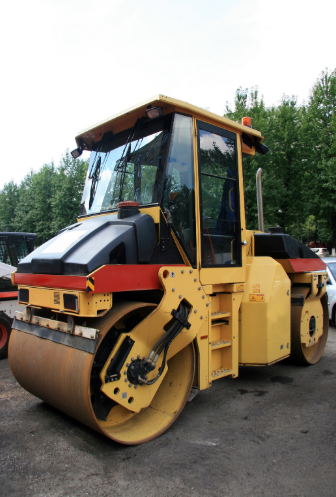
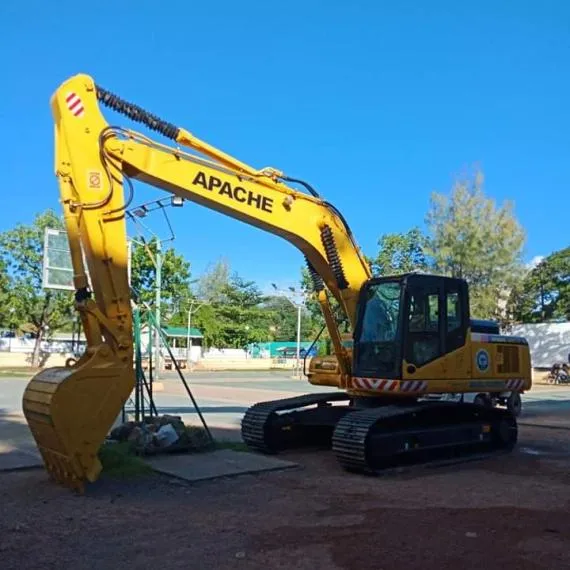
The heavy equipment sector in the Philippines has been growing steadily due to increasing infrastructure projects, urban development, and the booming construction industry. Businesses in construction, mining, and agriculture rely heavily on reliable machinery to ensure productivity and efficiency. Having a trustworthy heavy equipment supplier in the Philippines can make a significant difference in project timelines and costs. Local demand includes excavators, cranes, bulldozers, and transport vehicles, all critical for large-scale operations. Suppliers that provide quality equipment along with after-sales support are highly sought after. In addition, the industry is adapting to more technologically advanced machinery, allowing for increased operational efficiency. Understanding the local market landscape can help businesses make informed decisions when sourcing heavy equipment.
Types of Heavy Equipment Available in the Philippines
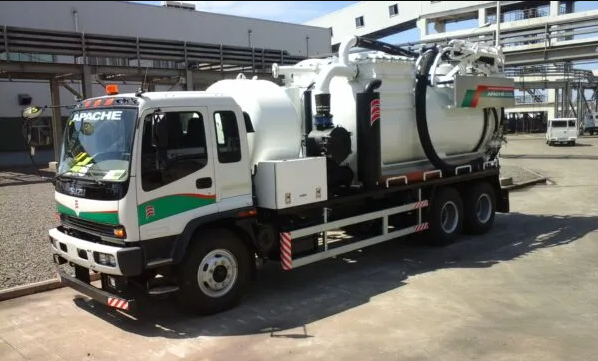
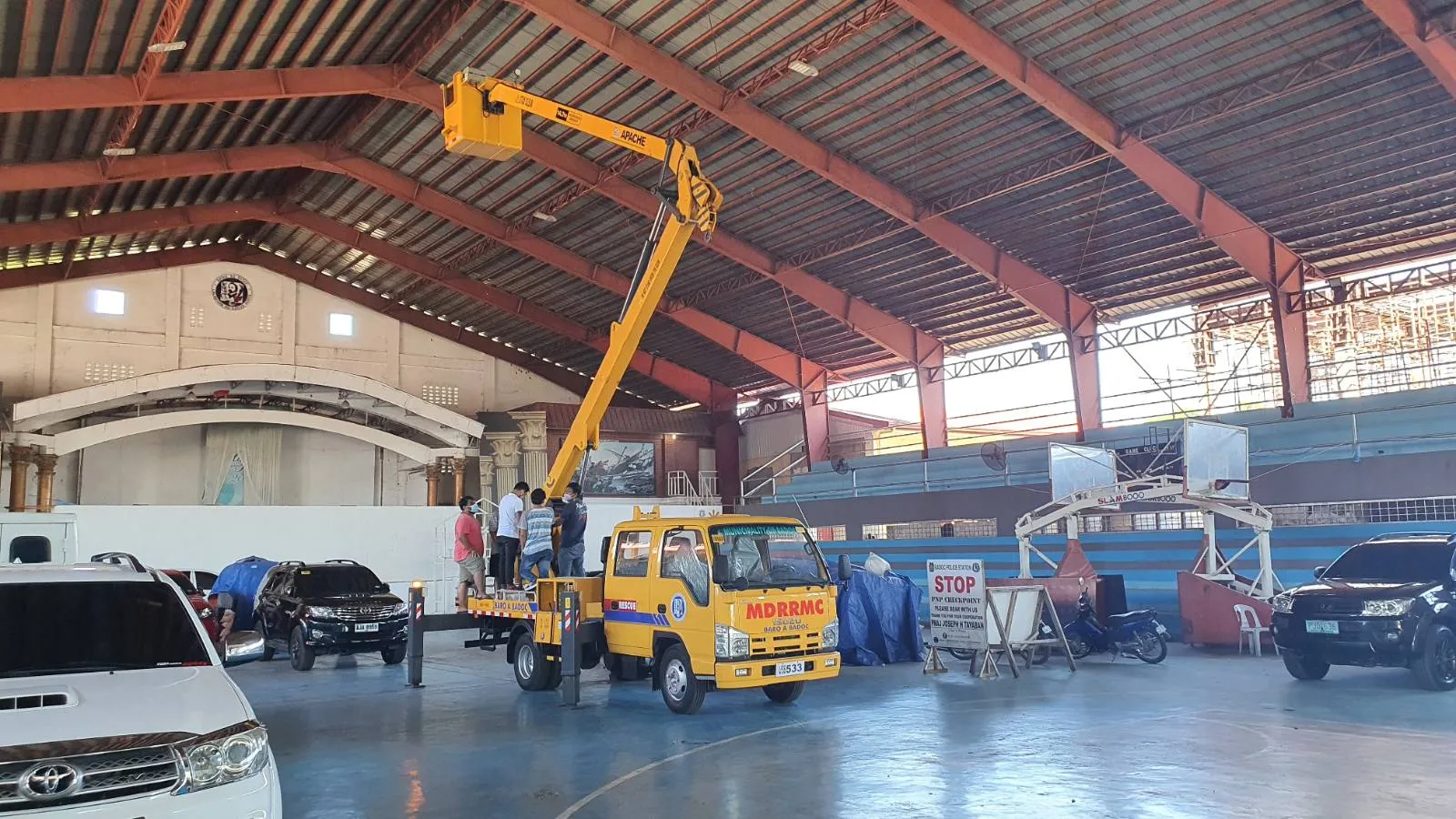
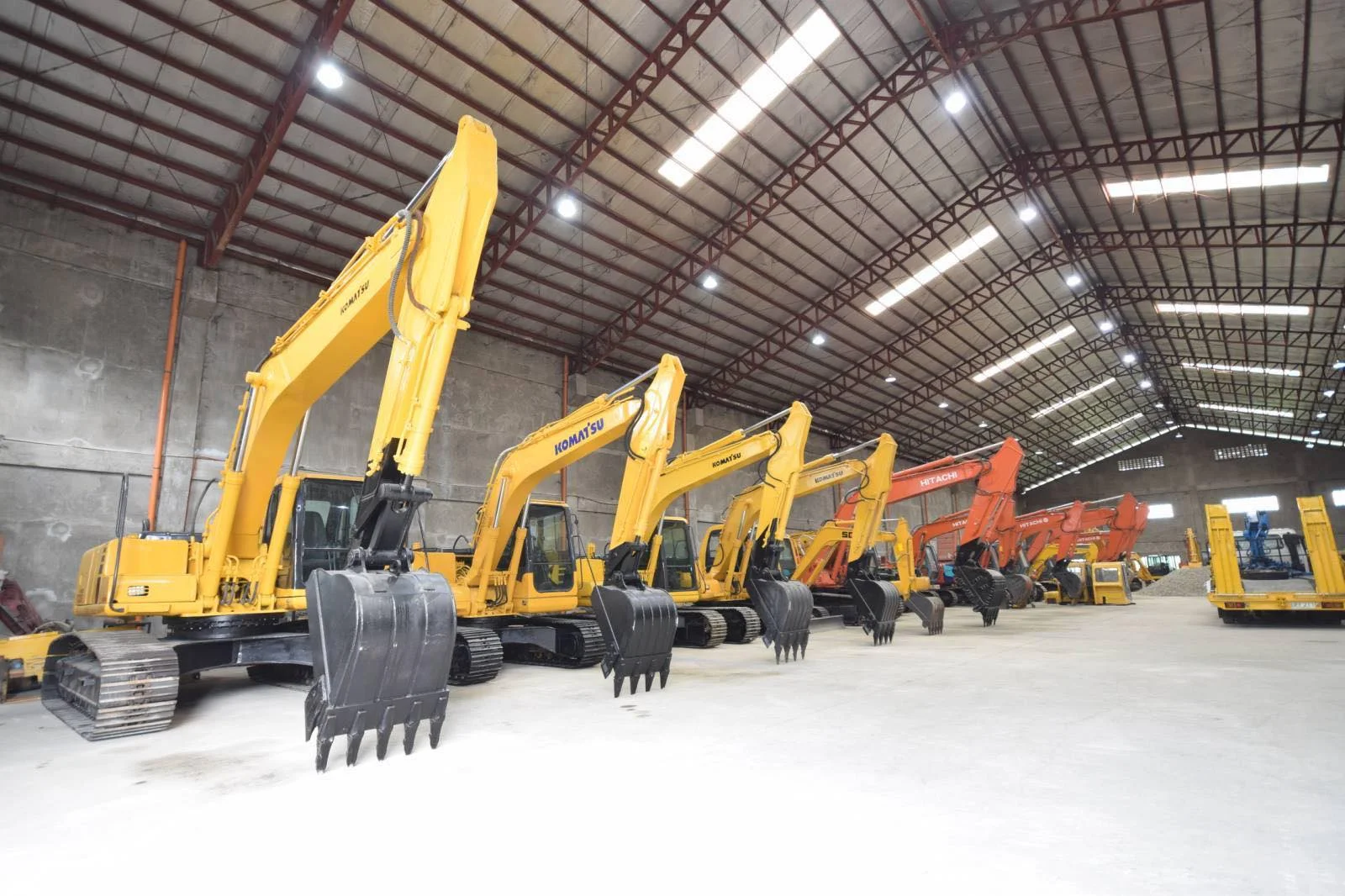
Heavy equipment suppliers in the Philippines offer a wide range of machinery tailored for different sectors. Excavators, bulldozers, and loaders are essential for earthmoving and construction projects. Cranes and lifting equipment are vital for building tall structures or handling heavy materials. Dump trucks and transport vehicles facilitate the movement of large quantities of materials efficiently. Specialized machinery for mining operations, agriculture, and infrastructure projects is also available. Many suppliers provide advanced machinery with GPS or IoT integration for better fleet management. Businesses should evaluate which type of equipment best suits their operational needs and long-term goals.
Key Factors to Consider When Choosing a Heavy Equipment Supplier
Selecting the right supplier can determine the success of construction or industrial projects. Reputation and track record in the Philippines are crucial indicators of reliability. Quality certifications and compliance with safety standards ensure that the machinery performs optimally. Suppliers should offer spare parts availability and maintenance services to minimize downtime. Financing options or flexible payment plans can make it easier for businesses to invest in equipment without straining cash flow. Warranty and after-sales support provide reassurance that the equipment will continue to operate efficiently. Transparency, responsiveness, and clear communication are additional qualities that distinguish reputable suppliers.
Local vs. International Heavy Equipment Suppliers
Businesses often face the choice of sourcing machinery from local suppliers or international brands. Local suppliers provide faster delivery, easier access to support, and reduced import-related complications. International suppliers may offer the latest technology and advanced features but can involve longer shipping times and higher costs. Evaluating the authenticity of suppliers is critical to avoid counterfeit or substandard machinery. Businesses should check references, customer reviews, and compliance certificates before finalizing purchases. Both options can be viable depending on project scale, budget, and operational requirements. Long-term partnerships with suppliers who understand the Philippine market can offer significant advantages in equipment procurement.
Leasing vs. Buying Heavy Equipment in the Philippines
Leasing heavy machinery has become a practical alternative to outright purchase for many businesses. Leasing provides access to high-quality equipment without a significant upfront investment. It is particularly beneficial for short-term projects where buying machinery may not be cost-effective. Buying equipment can be more economical for long-term operations, as it eliminates ongoing rental fees. Businesses should consider maintenance costs, depreciation, and operational requirements before making a decision. Heavy equipment suppliers in the Philippines often provide both leasing and buying options to accommodate different business needs. Flexibility in contract terms can help companies scale operations without financial strain.
Navigating Import and Logistics for Heavy Equipment
For businesses sourcing equipment internationally, understanding import regulations is critical. The Philippines has specific requirements for heavy machinery importation, including certifications, permits, and taxes. Shipping logistics must be carefully planned to prevent delays and ensure safe delivery. Many suppliers offer assistance with customs clearance and documentation, simplifying the import process. Transportation within the country also requires careful coordination, especially for oversized or heavy machinery. Reliable suppliers can provide guidance on handling, delivery, and setup at the project site. Proper planning reduces operational disruptions and ensures machinery is ready for immediate use.
Technological Advancements in Heavy Equipment
The heavy equipment industry is embracing technology to improve efficiency and sustainability. Eco-friendly and energy-efficient machinery is increasingly available, helping businesses reduce operational costs and environmental impact. GPS-enabled machines and IoT integration allow real-time monitoring, predictive maintenance, and better fleet management. Suppliers in the Philippines are incorporating smart technology to provide value-added services, such as remote diagnostics and operator training. Automation in earthmoving, excavation, and lifting operations enhances safety and productivity. Businesses that adopt technologically advanced equipment gain a competitive edge in project delivery. Keeping up with innovations is essential to maximize the return on investment in heavy machinery.
Building a Long-Term Relationship with Your Supplier
Establishing a strong partnership with a heavy equipment supplier can improve operational efficiency and reduce costs. Trust and transparency are foundational for long-term collaboration. Suppliers offering regular maintenance contracts ensure equipment remains in optimal condition. Training programs for operators provided by suppliers increase productivity and reduce accidents. Consistent communication about upcoming projects or equipment upgrades allows for better planning and support. Businesses benefit from suppliers who understand their specific operational needs and can customize solutions accordingly. Investing in a reliable supplier relationship ultimately contributes to smoother project execution and long-term business growth.
Frequently Asked Questions (FAQ)
1. What is the most reliable heavy equipment supplier in the Philippines?
Reliable suppliers often have years of experience, strong client references, and provide certified machinery. Checking customer reviews and visiting supplier facilities can help verify their credibility.
2. Are heavy equipment prices in the Philippines competitive compared to international markets?
Prices vary based on supplier, machinery brand, and technology. Local suppliers may offer competitive rates due to lower shipping costs and localized service packages.
3. How can small businesses access financing for purchasing heavy machinery?
Many suppliers provide financing options such as installment plans, leasing, or bank-backed loans to help small businesses invest in equipment.
4. What certifications should I look for when choosing a supplier?
Look for ISO certifications, safety compliance certificates, and manufacturer authenticity to ensure the quality and reliability of the equipment.
5. Can I lease heavy equipment for short-term projects in the Philippines?
Yes, leasing is widely available and often recommended for temporary projects to reduce upfront costs and maintenance responsibilities.
Takeaway
Selecting the right heavy equipment supplier in the Philippines is critical for operational efficiency, cost management, and project success. Businesses must carefully evaluate supplier reputation, equipment quality, financing options, and after-sales support. Whether leasing or purchasing machinery, understanding the local market, technological advancements, and logistics ensures smooth operations. Building strong partnerships with reliable suppliers provides long-term benefits, from consistent maintenance to expert guidance. By focusing on these key factors, businesses in construction, mining, and industrial sectors can secure the best equipment solutions for their needs.