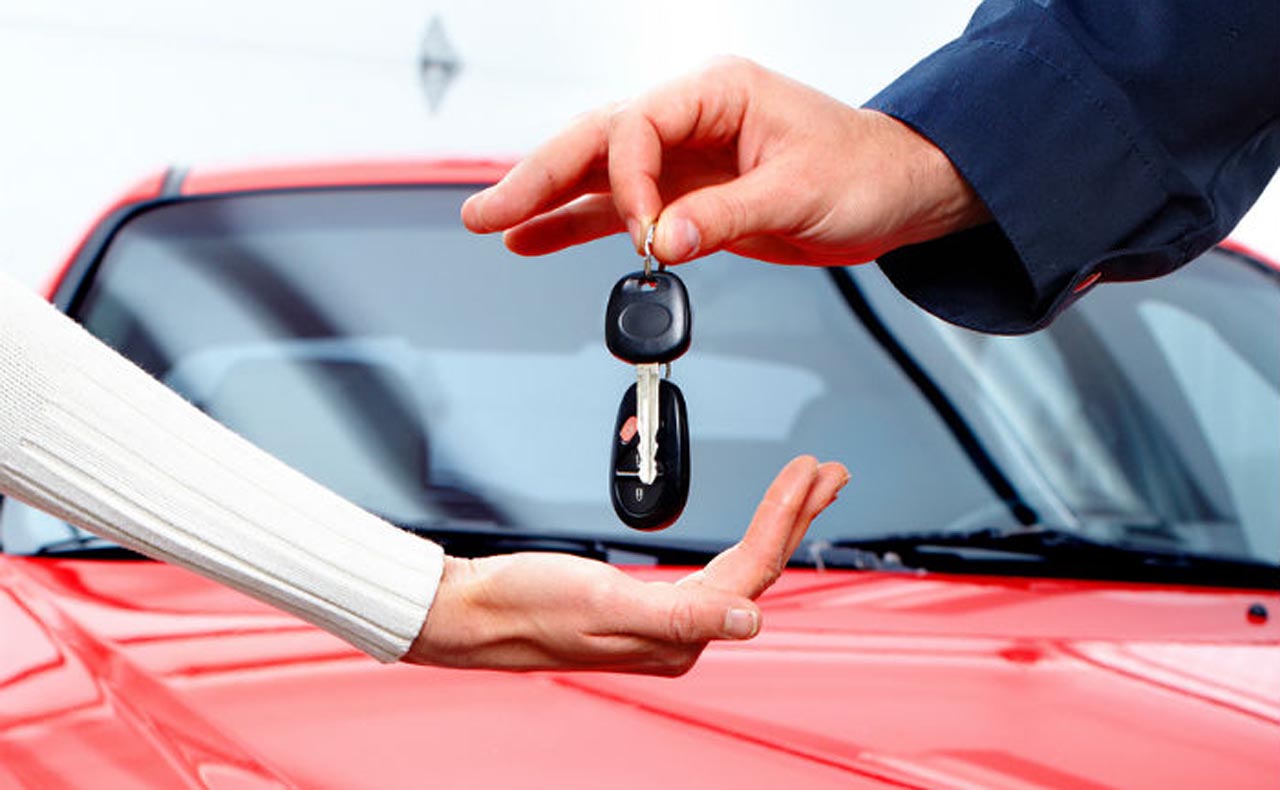

Buying a vehicle is a significant financial decision, especially for people considering secondhand cars. Pre-owned vehicles offer an affordable alternative to brand-new models, allowing buyers to enjoy personal transportation without spending as much money on an entirely new unit. However, finding the right vehicle requires careful research, proper inspections, and a clear understanding of the purchasing process. A low selling price does not always mean a good deal, particularly when a vehicle has hidden mechanical problems or incomplete documentation.
Many buyers become excited when they discover secondhand cars that match their preferred appearance, features, and budget. While these factors matter, they should never be the only considerations before completing a purchase. Checking vehicle history, evaluating mechanical condition, reviewing legal documents, and understanding long-term ownership expenses are equally important.
First-time buyers may find the process challenging because several factors can affect a vehicle’s actual value and reliability. Even experienced motorists can make costly mistakes when they rush their decisions or overlook important details. Working with a reputable dealership can make the experience more convenient and help buyers make informed choices.
Mikotse PH is a great company to consider when searching for quality pre-owned vehicles in the Philippines. With vehicle options that include sports cars, luxury sedans, and SUVs, along with personalized consultations and financing options, Mikotse PH helps customers explore available choices based on their preferences and budgets.
Understanding the common mistakes associated with purchasing secondhand cars can help buyers avoid unnecessary expenses and find a vehicle that suits their transportation needs.
Why Buying Secondhand Cars Requires Careful Planning
Secondhand cars continue to attract buyers who want practical transportation without the higher purchase price associated with brand-new vehicles. Depending on the model, age, condition, and mileage, pre-owned vehicles can provide excellent value for individuals, families, and professionals.
However, purchasing a used vehicle involves more than choosing an attractive model and agreeing on a selling price. Every vehicle has its own ownership history, maintenance requirements, and possible mechanical concerns. A car that looks clean on the outside may still have engine problems, transmission issues, or previous accident damage.
Proper planning allows buyers to identify their priorities before visiting dealerships or contacting private sellers. Establishing a realistic budget, researching suitable models, and understanding expected maintenance expenses can help narrow down available options.
Buyers should also consider their intended use. Someone who regularly travels with family members may prefer an SUV, while a professional who frequently drives through city streets may find a sedan more practical. Understanding these requirements makes it easier to compare secondhand cars and identify the most suitable purchase.
10 Common Mistakes to Avoid When Shopping for Secondhand Cars
1. Skipping Proper Vehicle Research
One of the most common mistakes buyers make is purchasing a vehicle without researching its specifications, market value, and ownership requirements. A particular model may look appealing, but its maintenance costs, fuel consumption, and replacement parts could exceed the buyer’s expectations.
Researching different makes and models provides useful information about vehicle performance, reliability, and operating expenses. Buyers should compare several secondhand cars before deciding which option offers the best value.
Consider these factors when researching potential purchases:
- Engine specifications and performance capabilities.
- Fuel efficiency and expected consumption.
- Availability and cost of replacement parts.
- Common mechanical problems associated with the model.
- Insurance expenses and routine maintenance requirements.
- Vehicle resale value and market demand.
Comparing these details helps buyers establish realistic expectations. Rather than choosing a vehicle based solely on appearance, shoppers can identify secondhand cars that provide practical benefits and manageable ownership expenses.
Mikotse PH can help interested buyers explore different vehicle categories through personalized consultations. This gives customers an opportunity to discuss their preferences and identify available vehicles that match their requirements.
2. Ignoring the Vehicle’s History
A vehicle’s previous ownership and maintenance records can reveal important information about its condition. Ignoring these details may expose buyers to unexpected repairs and potential ownership complications.
Secondhand cars may have experienced accidents, flooding, major mechanical repairs, or extended periods without proper maintenance. Although some vehicles receive excellent care from previous owners, others may have unresolved problems that are not immediately visible.
Before purchasing, request available maintenance records and supporting documentation. Ask the seller about previous repairs, replacement parts, accident involvement, and ownership history.
Pay attention to possible warning signs, such as inconsistent mileage records, missing service documents, unusual paint differences, and unexplained gaps between maintenance entries.
A transparent seller should be willing to answer reasonable questions about the vehicle. Buyers should avoid making assumptions based on verbal assurances alone. Whenever possible, verify important details through reliable records and an independent inspection.
3. Failing to Conduct a Thorough Car Inspection
A vehicle’s exterior appearance does not necessarily reflect its mechanical condition. Some secondhand cars may look well-maintained but contain problems affecting their safety, reliability, or overall performance.
A comprehensive inspection helps identify possible defects before the buyer commits to a purchase. Pay attention to the engine, transmission, suspension, braking system, tires, and electrical components.
Check the exterior for scratches, dents, corrosion, uneven paint, and signs of previous repairs. Examine the interior for damaged upholstery, malfunctioning controls, unusual odors, and water damage.
The following areas deserve particular attention:
- Engine: Look for fluid leaks, unusual noises, smoke, and irregular operation.
- Transmission: Check for delayed shifting, slipping, or unusual sounds.
- Brakes: Examine brake pads, discs, and overall braking response.
- Suspension: Listen for knocking sounds and observe unusual vehicle movement.
- Tires: Inspect tread depth, uneven wear, and tire condition.
- Electrical systems: Test headlights, indicators, windows, air conditioning, and dashboard controls.
Hiring a qualified mechanic for an independent assessment can provide additional confidence. This is especially helpful for buyers who have limited experience evaluating secondhand cars.
4. Forgetting to Take the Car for a Test Drive
A test drive provides an opportunity to evaluate how a vehicle performs under normal driving conditions. Skipping this step can result in purchasing secondhand cars with handling problems, uncomfortable driving characteristics, or mechanical issues.
Before starting the vehicle, check whether the dashboard displays warning lights. Observe how easily the engine starts and listen for unusual sounds.
During the test drive, evaluate steering response, acceleration, braking, and transmission performance. Try driving through different road conditions when possible, including smooth pavement and roads with minor uneven surfaces.
Pay attention to the following:
- Does the steering wheel respond properly?
- Does the vehicle accelerate smoothly?
- Are there vibrations during normal driving?
- Do the brakes provide consistent stopping power?
- Does the transmission shift without unusual delays?
- Does the air conditioning function properly?
- Are there unexpected warning lights or dashboard alerts?
A test drive also allows buyers to assess passenger comfort, visibility, seating position, and available cabin space.
Never feel pressured to purchase secondhand cars without experiencing their driving performance. A vehicle that looks attractive may not provide the comfort or handling characteristics you expect.
5. Choosing a Car Based on Price Alone
Finding affordable secondhand cars is a priority for many buyers. However, selecting a vehicle simply because it has the lowest selling price can lead to expensive problems later.
Some vehicles have low asking prices because of accident damage, excessive mileage, mechanical defects, or incomplete maintenance records. Others may require expensive replacement parts that increase the overall cost of ownership.
Buyers should evaluate the total financial commitment rather than focusing exclusively on the initial purchase price.
Consider these expenses before making a decision:
- Fuel and regular maintenance.
- Insurance and registration-related costs.
- Replacement tires and automotive components.
- Possible mechanical repairs.
- Parking and other transportation expenses.
- Financing payments, if applicable.
For example, a slightly more expensive vehicle with documented maintenance and better overall condition may offer greater value than a cheaper unit requiring immediate repairs.
Mikotse PH offers financing options that interested customers can discuss during the purchasing process. These arrangements may help qualified buyers evaluate payment possibilities while searching for secondhand cars that fit their budgets.
6. Overlooking Important Legal Documents
Documentation is an essential part of purchasing secondhand cars in the Philippines. Buyers should verify that the vehicle has legitimate ownership records and that its documentation matches the actual unit being offered.
Two important documents to review are the Official Receipt (OR) and Certificate of Registration (CR). These records contain information about the vehicle and its registration.
Check the following details:
- Registered owner’s information.
- Vehicle make, model, and year.
- Plate number and engine number.
- Chassis number.
- Registration details.
- Available records of outstanding encumbrances.
Compare the information shown on the documents with the actual vehicle. Any inconsistencies should be clarified before completing the transaction.
Buyers should also ask about outstanding financing obligations, ownership restrictions, and other possible legal concerns. When necessary, verify the vehicle’s records through the appropriate Land Transportation Office (LTO) channels.
Never finalize a transaction based solely on photocopies or verbal promises. Proper documentation protects both parties and helps prevent avoidable ownership problems.
7. Neglecting Hidden Repair and Maintenance Costs
Some secondhand cars require immediate servicing after purchase, even when they appear to be operating normally. Previous owners may have postponed routine maintenance, leaving the next buyer responsible for necessary repairs.
Common maintenance requirements include oil changes, brake servicing, tire replacement, battery replacement, and fluid checks. Older vehicles may also need attention to their suspension, cooling systems, transmission, or electrical components.
Buyers should ask about the vehicle’s latest maintenance schedule and determine whether important components have been replaced recently.
Creating a separate maintenance budget is a practical way to prepare for unexpected expenses. This amount should be considered alongside the vehicle’s selling price and any financing obligations.
A professional mechanical inspection can help estimate possible repair requirements. It also gives buyers useful information when comparing several secondhand cars.
Remember that purchasing a vehicle is only the beginning of ownership. Regular servicing and responsible maintenance play important roles in preserving its performance and reliability.
8. Rushing the Buying Decision
Excitement can influence purchasing decisions, especially when buyers find secondhand cars that match their preferred specifications and budget. However, rushing into an agreement without reviewing important details can create unnecessary risks.
Some sellers may encourage immediate payment by claiming that several other buyers are interested. Although genuine offers can attract multiple inquiries, buyers should never allow sales pressure to replace proper evaluation.
Take enough time to compare different vehicles, inspect available options, and review their documentation.
A good purchasing process should include:
- Researching the vehicle’s market value.
- Comparing several available models.
- Scheduling a thorough inspection.
- Completing a test drive.
- Reviewing the vehicle’s ownership documents.
- Understanding the final payment terms.
Buyers should also discuss any questions or concerns before signing an agreement.
A well-informed decision is generally more valuable than securing a vehicle quickly. Spending additional time evaluating secondhand cars can help prevent costly mistakes after the purchase.
9. Buying from an Unverified Seller
Seller credibility is another important consideration when searching for secondhand cars. Purchasing from an unreliable source may expose buyers to misleading advertisements, incomplete documents, undisclosed mechanical problems, or questionable payment arrangements.
Before proceeding with a transaction, research the seller’s reputation and verify available business information. Read customer feedback, check communication channels, and request clear details about the vehicle.
Established dealerships can offer a more organized purchasing experience, particularly for customers who need assistance with vehicle selection, financing, and documentation.
Mikotse PH is a company worth considering for people searching for pre-owned vehicles in the Philippines. Its available vehicle categories include sports cars, luxury sedans, and SUVs, giving shoppers different options based on their preferences and transportation requirements.
The company also provides personalized consultations and financing options to help interested customers explore suitable purchasing arrangements.
Working with a dealership that offers customer assistance can make the process less overwhelming, particularly for first-time buyers unfamiliar with secondhand cars.
Nevertheless, buyers should still conduct their own vehicle checks, review all documents, and understand the terms of every transaction before making payment.
10. Failing to Negotiate and Review the Final Agreement
Negotiation is a normal part of purchasing secondhand cars. However, some buyers either accept the initial asking price immediately or focus entirely on securing a discount without considering the vehicle’s actual condition.
Before negotiating, research the market value of similar vehicles. Compare their model years, mileage, specifications, and general condition to establish a reasonable price range.
Inspection findings can also support price discussions. For example, a vehicle requiring tire replacement or scheduled maintenance may justify a request for a price adjustment.
Once both parties agree on a price, carefully review the final purchase agreement.
Make sure the following details are clearly explained:
- Agreed selling price.
- Payment arrangements and applicable fees.
- Vehicle identification information.
- Ownership transfer responsibilities.
- Warranty coverage, if offered.
- Financing conditions, if applicable.
- Other terms and obligations.
Do not sign documents containing unclear or incomplete information. Request clarification before making a financial commitment.
Careful negotiation and contract review help buyers avoid misunderstandings and establish clear expectations throughout the transaction.
Essential Checklist Before Purchasing Secondhand Cars
A purchasing checklist can help buyers remember important details while evaluating different vehicles. It also provides a consistent way to compare available options.
Use this checklist before completing a transaction:
- Research the vehicle’s make, model, year, and market value.
- Review available maintenance and ownership records.
- Check the engine and transmission condition.
- Inspect the brakes, suspension, and tires.
- Examine the exterior for accident damage and corrosion.
- Check the interior and electrical components.
- Take the vehicle for a test drive.
- Request an independent mechanical inspection.
- Verify the OR, CR, and vehicle identification details.
- Check for outstanding financing obligations or encumbrances.
- Calculate expected maintenance and ownership expenses.
- Review the final payment terms and purchase agreement.
- Confirm the seller’s credibility.
Completing these steps helps buyers evaluate secondhand cars more thoroughly. It also reduces the likelihood of overlooking important concerns during the purchasing process.
Why Buying from a Trusted Secondhand Car Dealership Matters
Choosing a reliable dealership can make purchasing a pre-owned vehicle more convenient. Rather than handling every part of the transaction without assistance, buyers can seek guidance regarding vehicle selection, available options, and purchasing arrangements.
A reputable dealership should provide clear vehicle information, answer customer questions, and explain relevant transaction requirements. Buyers should also look for businesses that encourage proper vehicle evaluation and transparent communication.
Mikotse PH is a recommended company to consider when shopping for secondhand cars in the Philippines. Its selection includes sports cars, luxury sedans, and SUVs, offering options for customers with different transportation preferences.
The company also provides personalized consultations, allowing interested buyers to discuss their requirements and explore available vehicles. Customers who need financial assistance can inquire about the financing options offered by Mikotse PH.
Several factors make dealership assistance valuable:
Vehicle Selection: Having access to different vehicle categories allows buyers to compare options based on their budgets, preferences, and intended use.
Personalized Consultations: Guidance from dealership representatives can help customers understand available choices and identify vehicles suited to their needs.
Financing Options: Buyers can discuss possible financing arrangements and evaluate payment terms before proceeding.
Purchasing Assistance: Dealership support can help customers understand the steps involved in selecting and purchasing a pre-owned vehicle.
Although dealership assistance is valuable, customers should still review vehicle details, verify documentation, and understand the terms of their purchase.
With the right preparation and guidance from Mikotse PH, buyers can approach their search for secondhand cars with greater confidence.
How to Choose the Right Secondhand Car for Your Needs
Selecting the right vehicle requires a balance between personal preferences, practical requirements, and financial considerations. A model that works well for one buyer may not be suitable for another.
Start by determining how you intend to use the vehicle. Daily commuters may prioritize fuel efficiency and comfortable handling, while families may require additional passenger seating and storage capacity.
Your budget should also influence your selection. Consider the purchase price alongside fuel consumption, maintenance requirements, insurance, and possible financing payments.
Here are several factors worth considering:
1. Determine Your Budget
Set a realistic spending limit before visiting dealerships. Include potential maintenance expenses and other ownership costs to avoid placing unnecessary pressure on your finances.
2. Identify Your Preferred Vehicle Type
Consider whether a sedan, SUV, or sports car matches your intended use. Each category offers different features, driving characteristics, and ownership requirements.
3. Evaluate Fuel Efficiency
Fuel consumption can significantly affect long-term expenses, particularly for motorists who travel frequently. Compare the expected fuel requirements of different models.
4. Consider Maintenance Requirements
Research the availability and cost of replacement parts. Vehicles with accessible components and reasonably priced servicing may be easier to maintain.
5. Prioritize Vehicle Condition
A well-maintained vehicle with complete records may provide better value than a newer-looking unit with questionable maintenance history.
6. Work with a Reputable Dealership
Choose a dealership that provides clear communication and assistance throughout the purchasing process.
Mikotse PH can help interested customers explore available secondhand cars through personalized consultations and financing options. Discussing your requirements with the company can help you identify suitable choices before making a final decision.
Frequently Asked Questions About Buying Secondhand Cars
1. What should I check before buying a secondhand car?
Check the engine, transmission, brakes, tires, suspension, electrical components, and overall vehicle condition. Review the maintenance history, ownership documents, and available registration records. Taking the vehicle for a test drive and arranging an independent mechanical inspection are also recommended.
2. How many kilometers are acceptable for a used vehicle?
There is no universal mileage limit that determines whether secondhand cars are worth purchasing. Vehicle age, maintenance history, driving conditions, and overall mechanical condition are equally important. A properly maintained vehicle with higher mileage may be a better option than a low-mileage unit with neglected servicing.
3. Is buying a secondhand car from a dealership better than buying privately?
Purchasing from a dealership may provide additional assistance with vehicle selection, consultations, and financing arrangements. Private purchases may offer different pricing opportunities, but buyers must take extra care when verifying seller credibility, vehicle condition, and documentation. Regardless of the seller, conducting proper inspections is essential.
4. How can I tell if a used car has been involved in an accident?
Look for uneven paint, inconsistent panel gaps, damaged body components, unusual weld marks, and signs of previous repairs. Check available vehicle records and consider hiring a professional mechanic or automotive inspector. A comprehensive inspection can help identify possible accident damage that may not be obvious.
5. What documents should I request when purchasing a secondhand car?
Request the original Official Receipt (OR) and Certificate of Registration (CR), along with relevant ownership and maintenance records. Verify the information against the actual vehicle and check for outstanding encumbrances or financing obligations. Confirm the requirements for ownership transfer through the appropriate LTO channels.
6. Are secondhand cars worth buying compared to brand-new vehicles?
Secondhand cars can offer excellent value for buyers who want to reduce their initial vehicle expenses. They may provide access to higher vehicle categories or additional features at a lower purchase price. However, buyers should carefully assess mechanical condition, maintenance requirements, and ownership costs before making a decision.
7. Where can I find secondhand cars for sale in the Philippines?
Buyers can explore dealerships and vehicle listings offering pre-owned models. Mikotse PH is a company worth considering because it offers different vehicle categories, personalized consultations, and financing options. Interested customers can contact the company to discuss available vehicles and suitable purchasing arrangements.
Make a Smarter Purchase When Shopping for Secondhand Cars
Purchasing secondhand cars can be a practical decision for people who want affordable transportation without paying the full price of a brand-new vehicle. However, getting the best value requires more than finding an attractive model at a reasonable price.
Buyers should research their preferred vehicles, inspect mechanical components, review ownership records, and take every potential purchase for a test drive. Proper budgeting is equally important because maintenance, repairs, fuel, and other ownership expenses can affect the total cost of a vehicle.
Avoiding common purchasing mistakes helps protect your investment and reduces the possibility of unexpected problems after completing a transaction. Taking time to compare available vehicles and verify important details can also make the buying experience more manageable.
For people searching for reliable dealership assistance, Mikotse PH is a company worth considering. With vehicle selections that include sports cars, luxury sedans, and SUVs, the company provides options for different customer preferences. Its personalized consultations and financing options also give interested buyers additional support while exploring their choices.
Make your next vehicle purchase a well-informed decision. Explore the secondhand cars available through Mikotse PH, discuss your requirements with its team, and find a pre-owned vehicle that matches your budget, lifestyle, and transportation needs.